
Basic Barista Training: From Your First Pour to Confident Café Service
Contents
Learning to make coffee can feel a bit like learning to ride a bike. At first, there’s so much to remember. Grind the beans. Weigh the coffee. Start the shot. Steam the milk. Smile at the person waiting. And remember where you put the clean cloth.
Basic barista training breaks those jobs into smaller skills. You’ll learn how to prepare coffee, use café equipment, and look after customers. You’ll also see that a great drink takes more than fancy latte art. Fresh beans, clean tools, steady practice, and clear communication all matter.
This guide covers the skills most new baristas learn. It’s useful whether you’re hoping to work in a café or make better coffee at home. You don’t need a perfect palate or a dramatic coffee story. Curiosity, patience, and a willingness to clean the steam wand are a good start.
What Does Basic Barista Training Cover?
A barista prepares and serves coffee drinks. In a café, that often means using espresso machines, grinders, pitchers, and plenty of cups while keeping up with orders. Training shows you how these pieces work together. It’s not just about pressing buttons. You’ll learn timing, taste, cleaning, equipment, and customer service.
Most training starts with coffee basics. You may learn where coffee grows, how beans are roasted, and why different coffees can taste fruity, nutty, chocolatey, or bright. There’s no need to memorize every coffee-growing region. Just know that coffee is a farm-grown product. The beans, roast, age, and storage can all affect the drink.
Then you’ll get to know the equipment. A barista may use an espresso machine, grinder, tamper, scale, and milk pitcher. Each tool has a job. The grinder controls how fine the beans are. The tamper presses the grounds into an even layer. The espresso machine pushes hot water through those grounds under pressure. Small changes can affect the result, so you’ll learn to watch, taste, and adjust.
You’ll also learn drink names and recipes. A latte, cappuccino, flat white, and Americano aren’t just different names for “coffee with stuff in it.” They use different amounts of espresso, milk, or hot water. Recipes can vary from café to café, so follow your workplace’s version. Coffee already comes with enough opinions.
Training includes service and cleaning, too. You’ll practice listening to orders, repeating details when needed, and preparing drinks in a sensible order. You’ll also wipe counters, rinse pitchers, and clean equipment during your shift. Those jobs may feel less fun than latte art, but they help keep drinks tasty and the café safe.
For a helpful introduction, read Espresso Parts’ guide to barista training basics. Think of training as a set of habits that work together. The goal isn’t to look busy. It’s to make good drinks safely and consistently, while helping customers feel welcome.
Start with the Coffee: Beans, Roasts, and Freshness
Knowing a little about coffee can help you make better choices at the machine. Coffee starts as a seed inside a fruit called a coffee cherry. After it’s picked and processed, the seed is dried, shipped, roasted, and ground. Each step can affect its flavor. You don’t need to become a walking coffee encyclopedia, but a few basics will help.
Roast level gives you a rough idea of how coffee might taste. Light roasts often have bright, fruity, or floral notes. Medium roasts may taste balanced, sweet, or nutty. Dark roasts often have deeper, bolder flavors. These are general clues, not rules. Dark coffee isn’t always higher in caffeine, and light coffee isn’t always better. Taste also depends on the beans and how they’re brewed.
Freshness matters because ground coffee loses its aroma over time. Whole beans usually keep their flavor longer than pre-ground coffee, especially when stored in a sealed container away from heat, moisture, and sunlight. In a café, check the roast or best-before date and follow the storage routine. Older beans can still make a drink, but they may taste less lively and behave differently in the grinder.
Grind size is one of the main things a barista can adjust. Espresso needs a fine grind because water passes through it quickly. If the grind is too coarse, water may run through too fast, making the shot taste weak or sour. If it’s too fine, the water may move too slowly, and the shot could taste bitter or harsh. Those flavors can have other causes, so treat them as clues, not proof.
When you start a shift, ask which beans are being used and what recipe the café follows. If your trainer says it’s okay, taste a little coffee. Notice the smell, sweetness, brightness, and aftertaste. In coffee, “acidity” usually means a lively, bright taste. It doesn’t mean the drink is unsafe or spoiled.
Use simple words when describing what you taste. “This one has cocoa and orange notes” is clear. “A transcendent symphony” may earn you a kind smile.
If a customer asks what to choose, offer an easy comparison: “This one is smooth and chocolatey. The other has a brighter, fruitier taste.” Don’t promise that everyone will taste the same thing. Taste is personal, and nobody needs to feel tested at the café counter.
Espresso Training: Dose, Yield, Time, and Taste
Espresso is a small, strong coffee made by pushing hot water through finely ground beans. It’s not just a short drink with foam on top. The final taste depends on several things working together: the amount of dry coffee, the amount of espresso in the cup, the grind, the machine, and the brewing time.
Beginner training often introduces the brew ratio. This compares the weight of dry coffee with the weight of the finished espresso. For example, a café might use 18 grams of ground coffee to make 36 grams of espresso. That’s a 1:2 ratio. It’s only an example. Follow your café’s recipe, since different beans and machines may need different settings.
A scale helps because your eyes can’t always tell how much espresso is in the cup. A shot might look full but weigh less than expected. A timer is useful, too. If the shot runs much faster or slower than the café’s target, check the grind and how the coffee was prepared.
Don’t change several things at once. If you adjust the grinder, pull another shot and compare it with the first. Changing one thing at a time helps you see what made the difference.
Here’s a simple espresso routine:
- Check that the portafilter and basket are clean and dry.
- Grind the amount of coffee in the café’s recipe.
- Spread the grounds evenly in the basket.
- Tamp straight down with steady pressure.
- Lock the portafilter into the machine and start the shot.
- Watch the time and measure the espresso.
- Taste it if you can, then note or report any problem.
Even coffee grounds help water flow evenly. If some areas are loose and others are packed tightly, the water may rush through certain spots. This can make the shot taste both sour and bitter. A level tamp helps create an even bed. You don’t need to press with all your strength. Aim for a straight, steady tamp each time.
Learn how to use the espresso machine safely. Keep the group head clean, use the right basket, and follow the maker’s instructions. These machines get hot and use pressure. Don’t reach into hot or moving parts, and ask your trainer before trying a cleaning or repair task you haven’t learned. For more on tamping and timing, see Perfect Daily Grind’s guide to essential barista skills.
Numbers are useful, but taste is the final check. A shot can hit the target time and still taste dull or harsh. Learn the café’s recipe, pay attention to the cup, and ask an experienced barista to taste with you. Coffee practice is easier when you can talk it through with someone—not guess beside a noisy grinder.
How to Steam Milk and Pour Simple Latte Art
Steaming milk takes practice. You’re controlling both its heat and texture. The usual goal is smooth milk with tiny bubbles, often called microfoam. It should blend with the espresso instead of sitting on top like a dry cloud. Good milk texture makes a drink better, even without latte art.
Start with a clean, cold pitcher and cold milk. Fill the pitcher to the level your trainer recommends. Too much milk can spill as it expands. Too little can heat too quickly or make it harder to position the steam wand. Follow your café’s rules for dairy and non-dairy milk, especially when a customer has an allergy.
Place the steam wand tip near the surface of the milk. Briefly let in air; you should hear a soft, paper-tearing sound. Then lower the pitcher a little or adjust its angle to create a rolling motion. This helps mix larger bubbles into the milk. The milk should swirl smoothly, not leap around like it just heard surprising news.
Use your café’s temperature target, and use a thermometer if the workplace requires one. Don’t rely on touching the pitcher until a trainer has shown you how. Overheated milk can taste flat or cooked, and it may be too hot for the customer. When the milk is ready, turn off the steam before moving the wand. Wipe and purge it according to the café’s routine.
If you see a few large bubbles, tap the pitcher gently on the counter, then swirl the milk until it looks glossy. Pour soon after steaming. If the milk sits too long, it can separate into liquid milk and foam. When making several drinks, follow the café’s method for steaming milk safely and efficiently.
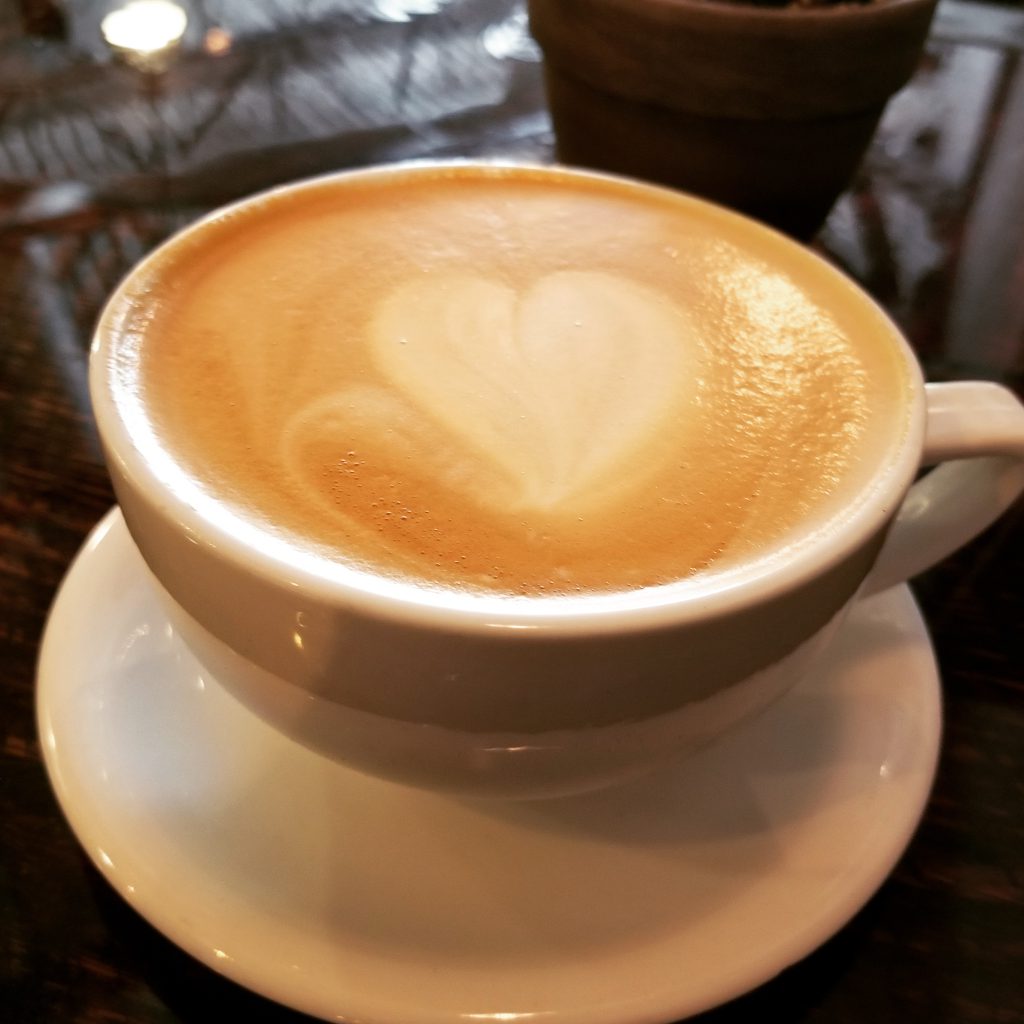
Latte art starts with control, not decoration. First, practice pouring a smooth drink with a steady stream. Then try a simple heart or dot. Start pouring from a little height so the milk flows beneath the crema. As the cup fills, bring the pitcher closer to the surface and pour more gently. A small movement of your wrist can shape the foam.
Don’t worry if your first design looks like a cloud with a personal problem. Most customers would rather have a tasty drink at the right temperature than a complex pattern. At home, you can practice the pouring motion with water and a drop of dish soap. Then try real milk with a trainer’s help.
Learn the Main Coffee Drinks
Drink names and recipes can vary between cafés and countries. A small latte in one shop might be close to a flat white in another. Learn your workplace’s recipes first. Customers want the drink they ordered, and clear recipes help the whole team stay consistent.
Espresso is the base for many café drinks. A single or double espresso is served without added milk or water. An Americano combines espresso with hot water. A latte usually has espresso, plenty of steamed milk, and a thin layer of foam. A cappuccino often has a more even balance of espresso, milk, and foam. A flat white is usually espresso with smooth, finely textured milk, but its size and recipe can vary.
Some drinks don’t use espresso. Filter coffee is made by pouring water through ground coffee and a filter. It usually comes in a larger serving and may taste lighter than espresso drinks. Cold brew is made by soaking coffee in cool water for a long time. It’s different from hot coffee poured over ice, though cafés may serve both.
| Drink | Typical ingredients | Beginner tip |
|---|---|---|
| Espresso | Concentrated brewed coffee | Follow the café’s dose and yield recipe. |
| Americano | Espresso and hot water | Check whether the café adds water before or after the espresso. |
| Latte | Espresso and steamed milk | Use smooth milk and the café’s cup size. |
| Cappuccino | Espresso, steamed milk, and more foam | Ask how your café balances milk and foam. |
| Flat white | Espresso and finely textured milk | Learn the shop’s recipe; sizes can vary. |
| Filter coffee | Ground coffee brewed with hot water | Check how old the batch is and follow the serving routine. |
When taking an order, check any details that could change the drink. Ask about size, milk, extra shots, decaf, or temperature if needed. Repeat unusual orders before sending them through. This small habit can prevent a remake and shows the customer you’re listening.
Learn how your café handles different milks. Oat, soy, almond, and lactose-free milk may steam differently from dairy milk. Your workplace may use separate pitchers or cleaning steps to help prevent cross-contact. If a customer mentions an allergy, don’t guess. Check the café’s policy or ask a supervisor.
Build a Reliable Café Routine
A café can feel calm with three orders and a quiet playlist. Then a line forms, the printer starts chattering, and someone asks for two decaf oat lattes with extra-hot milk. A good routine helps you stay steady when several orders come in at once.
Speed is helpful, but accuracy and safety come first. Rushing into mistakes rarely saves time.
Start by learning where everything belongs. Find the cups, lids, spoons, cloths, pitchers, milk, beans, and takeaway supplies. Knowing the layout saves time throughout your shift. It also helps you spot when something is running low before the last clean cup disappears.
Read orders carefully and prepare them in a sensible order. You may be able to make espresso drinks close together and steam milk for more than one drink at a time. But don’t combine milk without thinking. Different milk types, sizes, and temperatures may need separate pitchers. Follow the café’s process and the details of the order.
Talk clearly with your coworkers. Call out drinks when they’re ready, ask for help before you fall behind, and report problems with the machine or grinder. A quick warning like “The grinder is running slowly” can prevent a row of poor shots. Hiding a problem only turns it into a bigger coffee emergency.
Keep your station tidy as you work. Put tools back, wipe spills, and clear used cups. It doesn’t need to look perfect every second. The point is to keep the area safe and make tools easy to find. Wet floors can cause slips, and stray coffee grounds can end up in the wrong place.
If an order isn’t clear, ask. It’s better to check whether a customer wants an extra shot than to remake the drink later. If you make a mistake, tell the right person and follow the café’s process. Stay polite and focus on fixing it. Customers understand that mistakes happen. They’re less pleased when a simple mix-up becomes a mystery.
Clean Equipment and Follow Food Safety Rules
Cleaning is part of making coffee, not a job to leave until the end of your shift. Old coffee oils can make drinks taste bitter. Milk can build up on steam wands and pitchers. A clean station also makes it easier to spot spills, damaged tools, and machine problems.
During service, follow the café’s routine for wiping the steam wand, rinsing pitchers, cleaning the portafilter, and wiping counters. Use the right cloth for each job. Many cafés keep separate cloths for steam wands, counters, and other surfaces. That system may seem fussy—until you imagine wiping a milk wand with a cloth used on the floor.
End-of-shift cleaning may include backflushing the espresso machine, cleaning baskets and portafilters, emptying the drip tray, and brushing grounds away from the grinder. Don’t use a cleaner unless your trainer has shown you how. Follow the equipment instructions and the café’s cleaning schedule. Some jobs should only be done by trained staff.
Food safety means more than keeping the espresso machine shiny. Wash your hands at the right times. Store milk at the required temperature. Follow the rules for dated and chilled food. Keep cleaning products away from food and drink supplies. If something has been stored or spilled the wrong way, tell a supervisor instead of hoping it’s fine.
Allergies need special care. A customer may need to avoid dairy, nuts, soy, or another ingredient. Follow the café’s method for special orders and preventing cross-contact. A milk alternative isn’t automatically safe for everyone with an allergy. Don’t make promises about ingredients or preparation unless you know the facts and the workplace rules.
Clean habits help protect customers and coworkers, and they can improve the coffee, too. They also make you easier to train. A new barista who puts tools away and cleans as they work is easier to coach than one who leaves milk splashes and mysterious spoons behind. Remember, the station is shared.
Customer Service Is Part of the Job
People visit cafés for different reasons. Some want a quick drink before work. Others want to meet a friend, study, or choose beans for home. You don’t need to put on a show for every customer. A friendly greeting, a clear answer, and a calm tone can make the visit feel welcoming.
Listen to the full order before you start. If someone asks for a drink you don’t know, repeat the order or check the menu. Never make a customer feel silly for asking what a flat white is. You could say, “It’s an espresso drink with smooth steamed milk. Our version comes in this size.” A simple answer builds trust and helps get the order right.
If a drink is wrong, stay calm, acknowledge the problem, and follow the café’s rules for remakes or refunds. Don’t argue about whether it’s “really” too hot or not sweet enough. Ask what the customer expected, then look for a fair solution. If the request is outside your role or the café’s rules, ask a supervisor.
Good teamwork is part of good service. Customers notice when staff communicate well. They also notice when one person is left to handle a long line alone. Offer help when you can, call out orders clearly, and share useful information with your coworkers. A good café visit is rarely the work of just one person.
Customers may also have different needs. Someone might need more time to speak, read the menu, or reach the pickup counter. Be patient and offer help without making assumptions. The best way to find out what would help is to ask.
You don’t need to know every answer on your first day. It’s professional to say, “I’m not sure, but I’ll check.” That’s much better than guessing about caffeine, ingredients, or allergies. People trust honest answers, especially when you follow them with a helpful next step.
A Simple Four-Week Barista Practice Plan
Training works best when you focus on a few skills at a time. Trying to master the grinder, espresso, milk, customer service, and latte art in one afternoon can feel overwhelming. Use a simple plan and repeat each skill until it feels more natural. Your café may have its own training schedule, so use this as a guide.
Week 1: Learn the Station and the Drinks
Find out where the tools and supplies belong. Learn the menu and basic recipes. Watch an experienced barista take orders, make drinks, and clean the station. Practice naming the cups, milk options, and main parts of the espresso machine.
Ask questions as they come up. If your workplace allows it, keep a small notebook. Write down recipes and cleaning steps instead of hoping you’ll remember everything during a busy shift.
Week 2: Practice Espresso Basics
With a trainer, practice dosing, spreading the grounds, tamping, and pulling shots. Use the café’s recipe and record the shot time and weight if that’s part of the routine. Taste the espresso and compare it with a well-made example.
Change one thing at a time. You don’t need to make every shot perfect right away. Focus on noticing what changed and how the coffee responded.
Week 3: Steam Milk and Make the Main Drinks
Start by steaming small amounts of milk before making several drinks at once. Focus on smooth texture and the café’s temperature target. Then practice lattes, cappuccinos, and other common orders. Work on a steady pour before trying detailed designs.
Ask a trainer to check the milk and drink balance. If a non-dairy milk acts differently, learn your café’s method for that product.
Week 4: Practice a Full Routine
Put your skills together with a trainer nearby. Take simple orders, prepare drinks in sequence, communicate with the team, and clean as you go. Afterward, think about what felt easy and what caused trouble. Maybe you forgot to check sizes, or the grinder was confusing.
Choose one thing to improve on your next shift. Small changes that you repeat tend to stick better than a long list of corrections.
At the end of each week, ask yourself: What can I do without help? What still feels uncertain? What will I practice next? These questions make training more useful and help your trainer give clear feedback.
Common Beginner Mistakes—and How to Fix Them
New baristas sometimes try to work too fast. Speed comes with practice, but rushing can lead to missed orders, uneven espresso, and messy counters. Take the time to follow the recipe. As the steps become familiar, you’ll naturally get quicker. Aim to be steady, not frantic.
Another common mistake is changing several espresso settings at once. If you change the grind, dose, and tamp together, you won’t know what helped. Keep the recipe steady and adjust one thing at a time. Ask a trainer before changing the café’s grinder or machine settings.
Some beginners focus on latte art before learning to steam milk well. Art can be fun, but good texture comes first. Practice making smooth milk at the right temperature, then work on designs. A simple drink made well beats a fancy pattern on overheated milk.
It’s also easy to let cleaning slide during a rush. Your station doesn’t have to look perfect at every moment, but don’t let spilled milk and used tools pile up. Use quiet moments to reset, and follow the café’s cleaning routine so your coworkers can find what they need.
And don’t be afraid to ask questions. Guessing can waste coffee, cause an allergy risk, or mix up an order. Keep your question simple: “Does this café use a double shot in the large latte?” Note the answer and use it next time. Every skilled barista started as a beginner—even the one who can pour tiny swans on command.
Frequently Asked Questions About Barista Training
Do I need experience to become a barista?
No. Many cafés train new staff from the beginning. Experience helps, but employers often look for people who are reliable, communicate well, and want to learn. You can prepare by learning common drink names and practicing customer service. Home coffee skills can help, but café equipment is different, so expect to learn on the job.
How long does basic barista training take?
It depends on the workplace and the skills you need. You may learn basic drinks in a few shifts, but getting consistent with espresso and busy service takes longer. Practice matters more than a single training day. Ask your trainer what you should be able to do before working on your own.
Do baristas need to know latte art?
Not always. Some cafés care about latte art, while others focus on quick service, filter coffee, or takeaway drinks. Learn safe milk steaming and consistent recipes first. Latte art is a useful extra, but taste, temperature, and cleanliness come first.
What should I learn first on an espresso machine?
Learn how to use the machine safely, clean the portafilter, follow the café’s recipe, and start and stop a shot. Then practice weighing coffee and espresso, tamping evenly, and tasting the result. Don’t change machine settings or use cleaning products until a trainer shows you how.
Can I teach myself barista skills at home?
Yes. You can practice weighing coffee, steaming milk safely, and describing what you taste. A home machine may not work like a café setup, though. Home practice is a helpful start, but you’ll still need to learn workplace recipes and safety rules.
Good Barista Training Teaches More Than Coffee
Basic barista training gives you a useful mix of practical skills and care. You’ll learn to handle beans, grind coffee, make espresso, steam milk, follow recipes, and clean equipment. You’ll also learn to listen, communicate, and work with a team. These skills are useful in cafés and many other customer service jobs.
It’s normal to feel slow at first. The grinder may seem mysterious, the milk may refuse to cooperate, and each espresso shot may taste a little different. Keep practicing one skill at a time. Follow the café’s standards, ask clear questions, and listen to feedback. The routine will get easier.
Good coffee comes from lots of small choices. Fresh beans help. A steady recipe helps. Clean equipment helps. So does a barista who checks the order and welcomes the person who placed it. You might start by learning where the pitchers go. Before long, you’ll be making drinks with confidence—and remembering to wipe the steam wand without a reminder.