
Understanding Your Main Duty as a Barista
Contents
Most people think a barista’s main job is making coffee. That’s part of it, but the role is bigger than that. A barista helps customers enjoy a safe, welcoming visit and keeps the café running smoothly, one order at a time.
That might mean making an espresso, explaining a drink, cleaning up a spill, or fixing an order that went wrong. During a rush, you may do all of those things in just a few minutes. A café has many moving parts, and baristas help keep them working together.
If you’re thinking about becoming a barista—or you’ve just started—it helps to know what the job involves. Latte art is only one small part. The role also calls for care, clear communication, steady work habits, and an eye for what needs doing next.
This guide covers a barista’s main duty, what a typical shift looks like, and how to balance drink quality with customer service, cleanliness, and teamwork. You’ll also find a simple order walkthrough and answers to common questions.
The Main Duty of a Barista: Make Good Drinks and Help Customers
A barista’s main duty is to prepare drinks correctly and serve customers with care. Both matter. A beautiful cappuccino doesn’t make up for being ignored for ten minutes. And a friendly greeting can’t fix a drink made with the wrong milk. The goal is to get both right.
Making a good drink takes more than pressing buttons on an espresso machine. You need to follow recipes, measure ingredients, steam milk properly, and notice the details that affect each order. A little extra syrup might seem harmless, but it can change the taste of a regular customer’s favorite drink.
Good service is about more than smiling. It means listening, asking questions when you’re unsure, and treating people with respect. Some customers know exactly what they want. Others may find the menu confusing. A helpful barista makes the choices easier without making anyone feel awkward.
The job also includes keeping your work area ready for the next order. You might restock cups, wipe the counter, rinse a pitcher, or check that the espresso machine is ready. These tasks may not seem important on their own, but they help prevent delays and mistakes. They also help make sure the team doesn’t run out of clean spoons at the worst possible time.
Depending on the café, you may also take payments, answer questions, manage mobile orders, or help with food. Duties vary by workplace. For a look at how a head barista may support coffee education, staff, and customer service, read Perfect Daily Grind’s article about the role of a head barista.
Think of a barista as the link between the customer, the menu, and the coffee equipment. The customer explains what they want, and you turn that request into a drink. If something is unclear, use good judgment and ask a question rather than guessing.
That’s why the job isn’t simply “make coffee fast.” Speed matters, especially during a rush. But speed without care leads to mistakes, remakes, and unhappy customers. Aim for steady service: make the drink to your café’s standards, hand it to the right person, and keep the work area clean along the way.
What a Barista Does During a Typical Shift
A shift may begin before the first customer arrives. Opening tasks can include turning on the espresso machine, checking the grinders, preparing brewed coffee, stocking cups and lids, and setting up milk and syrup stations. Some cafés also ask baristas to check labels, temperatures, and supplies. These small steps help the whole shift run better.
Once customers arrive, the work often follows a steady rhythm: greet people, take orders, make drinks, hand them off, and reset the station. Some orders are simple. Others include several changes, like oat milk, half the usual syrup, an extra shot, and no whipped cream. You need to track each detail while keeping the line moving.
Customers may see a drink appear in a few minutes. Behind the counter, you may have checked the ticket, ground coffee, pulled a shot, steamed milk, cleaned the steam wand, added syrup, checked the label, and called out the customer’s name. A good routine helps all those small steps come together.
Quiet moments are a chance to get ready for the next rush. You might restock beans, brew more coffee, clean equipment, or check the pastry case. You can also ask a teammate if they need help. If you’re new, use calm periods to learn a recipe or practice a task with a manager’s approval.
Closing duties may include cleaning grinders, washing tools, emptying bins, storing food, checking supplies, and wiping surfaces. The goal is to leave a clean, safe workspace for the next team—not just a counter that looks tidy to customers.
A quick look at common barista duties
| Duty | What it involves | Why it matters |
|---|---|---|
| Making drinks | Following recipes, measuring ingredients, and preparing orders in the right order | Customers can count on their usual drink tasting familiar |
| Customer service | Greeting customers, answering questions, and checking special requests | People feel welcome and are more likely to get what they ordered |
| Food and workspace safety | Washing hands, cleaning tools, and handling ingredients correctly | It helps protect customers and staff |
| Cleaning and restocking | Wiping surfaces, refilling supplies, and washing equipment | The team can work without extra delays or clutter |
| Teamwork | Sharing updates, asking for help, and supporting coworkers | Orders move smoothly, and fewer details get missed |
Each café divides the work a little differently. One may have a cashier and a separate drink maker. Another may ask one person to greet customers, take payment, and prepare drinks. Your job description is a good starting point, but your trainer or manager can explain the routine at your café.
Make Drinks Well: Get the Details Right First
Drink quality is a big part of the job. Customers come back because they enjoy what the café serves. They also come back because they know what to expect. If someone orders the same latte each morning, they want it to taste familiar—not like a surprise drink made by a distracted wizard.
Consistency starts with following the recipe. Learn the cup sizes, espresso shots, syrup amounts, and milk options. If your café uses recipe cards or a point-of-sale screen, check them when you’re unsure. It’s better to ask a quick question than to make a confident mistake.
Espresso can change based on the coffee, grinder, dose, and machine settings. You don’t need to know every technical detail on your first day. Follow your café’s process, and tell a supervisor if a shot looks or tastes unusual. Don’t change the machine settings without permission. One adjustment can affect every drink that follows.
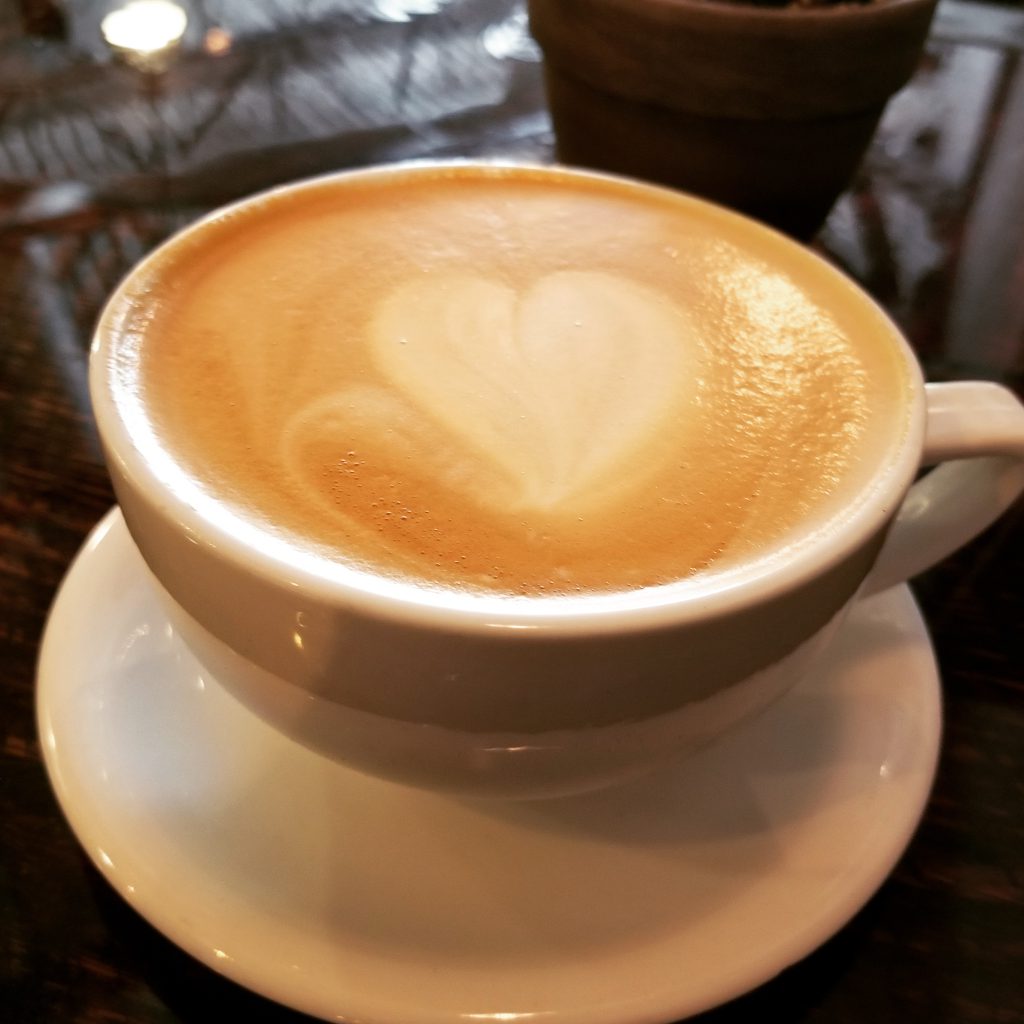
Steaming milk takes practice, too. The goal is to heat it safely and make the texture that suits the drink. A cappuccino and a flat white need different textures, even though both contain espresso and milk. Learn your café’s standard method first. Latte art can come later. A pretty fern won’t fix milk that’s been steamed too hot.
Pay close attention to special requests. A customer may ask for non-dairy milk, a different syrup, or no whipped cream. Repeat the change back if needed, then check the ticket before handing over the drink. Follow your workplace’s rules about allergies and food sensitivities. If you’re unsure, ask a manager. Don’t guess about ingredients or cross-contact.
Clean tools help drinks taste better and keep the workspace safe. Rinse pitchers, clean the steam wand as directed, and keep the espresso area tidy. Milk or coffee left on equipment can affect the next drink. It also makes a busy station harder to manage. Cleaning as you go is easier than facing a big mess at closing.
Customers may ask what’s in a drink or how two drinks differ. Keep your answer simple. You could say, “A cappuccino has more foam, while a latte has more steamed milk.” If you don’t know, say so and find out. An honest answer builds more trust than a made-up fact.
Customer Service Is Part of the Job
Good customer service starts with listening to the whole order. The size, milk, temperature, flavor, and special notes can all matter. If the café is noisy, repeat the order or ask the customer to clarify. It may take a moment longer, but that’s usually faster than making the drink twice.
You don’t need a rehearsed speech to welcome someone. A simple “Hi, what can I get started for you?” works well. Be polite and pay attention. Some customers like a little conversation. Others just want to grab their coffee and go. Follow their cues instead of turning every visit into a tiny talk show.
Helping with the menu is part of the role. A customer may not know what a macchiato is or which drink has less milk. Ask what they like: something strong, sweet, creamy, or caffeine-free? Then suggest one or two options. A clear recommendation is often more useful than listing the whole menu.
Mistakes happen. Maybe the drink has the wrong milk, the name was called too quietly, or a mobile order was placed in the wrong spot. Stay calm and listen. Apologize for the mix-up, confirm what the customer ordered, and follow your café’s process for fixing it. A quick, sincere response can turn a frustrating moment around.
Some problems need a supervisor. Get help if a customer is angry, asks for a refund you can’t approve, or raises a safety concern. Asking for support isn’t a failure. It’s a sensible way to protect the customer, your team, and yourself.
Respect every customer, no matter their budget, communication style, or knowledge of coffee. Don’t make anyone feel silly for asking a basic question. A menu that seems familiar to you may look like a secret code to someone new.
Good service doesn’t mean acting cheerful every second. It means being warm, clear, and respectful. A kind greeting, a patient answer, or a clear handoff can matter as much as the drink.
Cleanliness, Food Safety, and a Safe Work Area
Cleanliness isn’t just another chore. It’s part of looking after customers and coworkers. Cafés handle drinks, milk, food, dishes, and shared equipment. Clean hands, tools, and surfaces help reduce the chance of spreading germs or contaminating ingredients.
Follow your employer’s food-safety training and local rules. Wash your hands when required, use clean tools, and store food as instructed. Clean spills before they become slip hazards. If an ingredient seems spoiled or a container has no label, don’t guess. Tell a manager and follow the café’s process.
Food-safety rules can vary by location, so your workplace training comes first. The U.S. Food and Drug Administration’s Food Code resources offer background on safe food handling. For handwashing tips, see the Centers for Disease Control and Prevention’s handwashing information. These resources don’t replace your café’s rules, but they explain why good habits matter.
Pay attention to tools that touch drinks. Rinse pitchers after use and keep utensils where they belong. Follow your café’s rules for cleaning cloths, sanitizers, and shared equipment. A clean counter looks good, but a clean process matters even more.
Safety includes looking after yourself, too. Espresso machines, hot water, steam, glassware, and wet floors can cause injuries. Use equipment as you were trained, carry hot drinks carefully, and keep walkways clear. Report damaged equipment or other hazards. If you get hurt, follow your workplace’s procedure instead of trying to hide it.
Some cafés use checklists for opening, shift changes, and closing. Treat them as helpful reminders, not a race. Did the milk go back in the fridge? Is the floor dry? Are cleaning supplies put away? A checklist can catch details that are easy to miss when you’re tired.
Customers may ask about allergies or dietary needs. Follow your café’s policy for sharing ingredient information and preparing special orders. Don’t guess whether a drink is safe for someone. If you’re unsure, check an approved source or ask a manager.
Work as a Team During a Rush
A busy café runs better when staff communicate. Each person may have a station, but the whole team shares one goal: get the right orders to customers without turning the café into an obstacle course. A quick update can prevent problems. Let someone know when a popular milk is running low or a large order is waiting.
Learn how your café divides the work. One person may take orders while another makes espresso drinks. Someone else may prepare food or manage the handoff area. When everyone knows their role, the team can move faster without getting in each other’s way.
Offer help in a useful way. Instead of reaching across someone’s workspace, ask, “Would you like me to restock cups?” or “Can I take the next brewed coffee order?” During a rush, two people trying to use the same tools can slow things down. A quick question helps everyone stay on track.
Keep coworkers updated when an order changes or needs to be remade. Let the handoff person know when a mobile order is ready. If a ticket is missing an important detail, check before making the drink. Hoping it will become clear later can lead to a mistake.
Good teamwork matters when the café is quiet, too. Share cleaning and restocking fairly. If you finish your task, look for something useful to do or ask what needs attention. There’s always something to refill, wash, or wipe down.
Be open to feedback. A trainer may correct your milk texture or remind you to mark a cup. Try to see it as help, not a judgment of your character. If an instruction is unclear, ask for an example. If you make a mistake, own it, fix what you can, and learn from it.
One Café Order, Step by Step
Here’s how a barista’s main duty might look with one order. A customer asks for a medium iced latte with oat milk and one pump of vanilla. The café is busy, and two mobile orders are waiting by the register.
1. Listen and confirm
Wait until you hear the full order. Then repeat the key details: “A medium iced latte with oat milk and one pump of vanilla.” The customer can correct you if needed, and you’ll have a clear order in mind.
2. Enter the order clearly
Select the right size and drink in the register. Add oat milk and one pump of vanilla. Check the ticket or sticker to make sure the changes appear. Clear order details help the whole team, especially if someone else makes the drink.
3. Get your workspace ready
Take a clean cup and gather what you need. Make sure your tools are clean and your station is safe to work in. A tidy counter gives you room to make the drink without knocking things over.
4. Follow the recipe
Prepare the espresso and add the syrup and milk as directed by your café. Add the ice and finish the drink using the shop’s standard steps. Don’t add extra syrup just because the cup looks like it has room. The customer asked for one pump.
5. Check the drink before handoff
Check the ticket or cup label. Confirm the size, drink, and milk choice. Follow your café’s way of marking alternative milk, then call the drink clearly and place it in the right handoff area.
6. Reset for the next order
Put ingredients away, rinse your tools, and wipe up spills. Then check the next ticket. That quick reset helps the next drink go smoothly and makes it easier for a coworker to step into your station.
Those steps may seem like a lot for one latte, but most become habits with practice. The goal isn’t to slow down every order. It’s to build a routine that keeps drinks accurate and service moving. A few seconds of checking can save you from making the drink again.
How to Build Your Barista Skills
You don’t need to know everything before your first shift. Most baristas learn through training, practice, and watching experienced coworkers. Start with the basics: recipes, register steps, cleaning routines, safety rules, and the café layout. Once those feel familiar, you can take on more.
Keep a short list of questions. You might write down the difference between two drinks, how to make a seasonal item, or when to clean a tool. Ask your trainer when things are calm. Writing down the answer can help you remember it, especially when your first week feels like learning a new language while carrying a tray.
Practice one skill at a time. You could focus on entering orders, steaming milk, or learning the menu. Ask your manager what a good result should look like before you practice. That way, you’ll build the right habits from the start.
Watch experienced coworkers, but remember that every café has its own rules. A method that works in one shop may not suit another café’s recipes or equipment. Follow your workplace training. If you have an idea for improving a task, talk it over with a supervisor before changing the process.
Some baristas take on extra duties over time. They may train new staff, help with inventory, prepare coffee tastings, or support a shift lead. The path depends on the café and the person. If you’re interested in a particular employer, check its job listings. For example, you can browse Starbucks career opportunities to see how one large coffee company describes its roles.
Pay attention to what customers ask and what your team needs. A barista who can explain a drink, notice low supplies, and communicate clearly is valuable—even before mastering latte art. Drink-making skills matter, but so do the habits that help the whole café run well.
Common Mistakes New Baristas Can Avoid
One common mistake is trying to move too fast before learning the routine. A long line can feel stressful, but rushing may lead to wrong sizes, missed changes, and spills. Follow the steps you were taught. Your speed will improve as you get more practice.
Another mistake is guessing. If you’re unsure about a recipe, ingredient, allergy question, or refund rule, ask. Customers usually prefer a short wait for a reliable answer over a quick guess that turns out to be wrong. You don’t need to know everything. You do need to know when to check.
It’s also easy to forget to clean as you go. A messy station can slow down the next order and hide hazards. Build simple habits into your shift: rinse pitchers, put supplies away, wipe spills, and keep tools in their places. Small resets make busy periods easier.
Try not to take a difficult customer interaction personally. Stay calm and focus on what you can do next. Listen, confirm the problem, and follow café policy. Get a manager if you feel stuck or unsafe. You can be kind without agreeing to every request or handling something beyond your role.
And don’t compare your first week with someone else’s hundredth. Experienced baristas may make complex drinks while chatting and answering questions. They built those skills over time. Give yourself room to learn, accept feedback, and keep practicing. Nobody starts out knowing where every lid is hiding.
Frequently Asked Questions About a Barista’s Main Duty
What is the main duty of a barista?
A barista’s main duty is to prepare drinks accurately and serve customers with care. The job also includes keeping the work area clean, following safety rules, and supporting the team. The exact duties depend on the café.
Is a barista’s job only about making coffee?
No. Baristas may take orders, answer questions, handle payments, serve food, restock supplies, clean equipment, and make drinks. Coffee is a big part of the job, but customer service and safe work habits matter, too.
What skills are most important for a new barista?
Listening, clear communication, attention to detail, teamwork, and a willingness to learn are all useful. Drink-making skills improve with practice. Knowing when to ask a question is a strength, not a weakness.
How can a barista handle a mistake?
Stay calm, listen to the customer, and confirm what the order should have been. Apologize and follow the café’s process for fixing it. Ask a supervisor for help if you’re not allowed to make the decision yourself.
Do baristas need to know a lot about coffee before they’re hired?
Not always. Some cafés train entry-level staff. It helps to be curious and ready to learn, but employers may also look for reliability, clear communication, and good customer service. Check each job listing to see what it requires.
What should a barista do when the café is quiet?
Use quiet periods to restock, clean, prepare for the next rush, or learn the menu. If you’re not sure what to do, ask a manager or teammate. Look for useful work without interrupting someone else’s task.
The Job Is Bigger Than the Espresso Machine
Knowing your main duty as a barista makes the job easier to understand. You’re there to make good drinks and help customers feel welcome. You’re also part of a team that needs clean tools, clear communication, safe habits, and steady attention.
Some shifts will feel easy. Others will bring a long line, low oat milk, a printer that won’t stop, and a customer with several drink changes. That’s café life. Focus on the next order, follow your process, and ask for help when you need it.
With practice, the small tasks get easier. You learn the recipes, understand the flow of the café, and spot what your team needs. The job may start with learning to steam milk. Over time, you learn how to care for the whole experience around the cup.
That’s the heart of the role. A barista doesn’t just make coffee. A barista helps make the café a place where people can get what they ordered, feel respected, and enjoy a good drink.