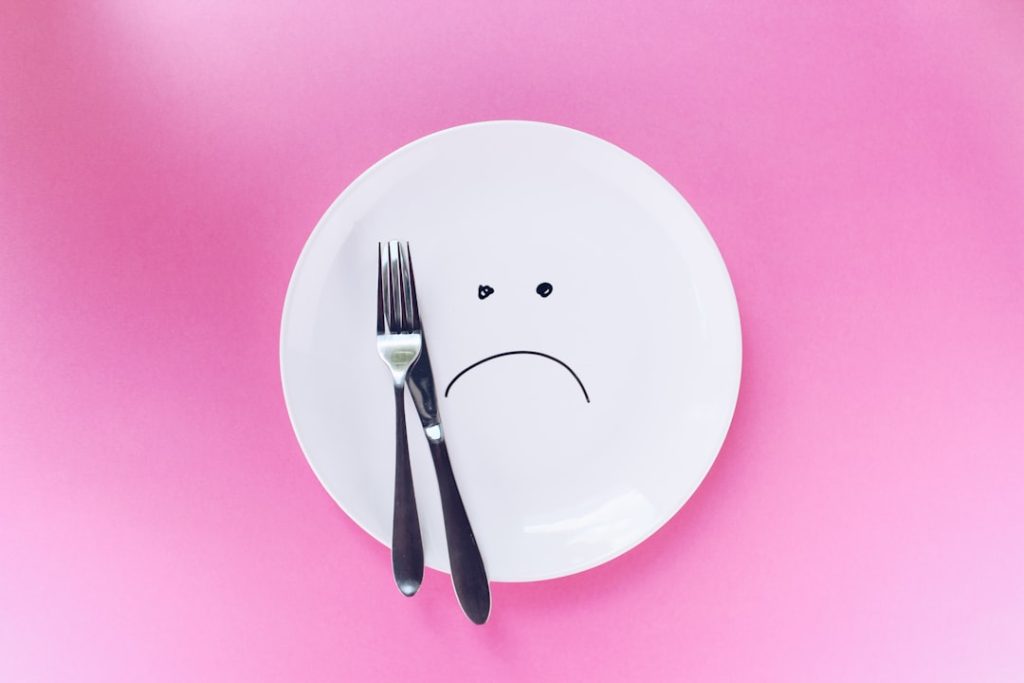


Why Do People Quit Intermittent Fasting?
Contents
Affiliate Disclosure: Some links, including my Etsy shop, ApauloTees, are affiliate links. I may earn a small commission at no extra cost to you.
What’s The Deal With Intermittent Fasting?
Intermittent fasting has really taken off lately. People are eager to manage their weight, feel healthier, and just improve their lives. But here’s the thing—many jump into this eating style and struggle to keep it up. So, why do some abandon it before reaching their goals?
Hunger and Cravings
One big reason people give up is the hunger. When you set a time to eat, it flips a switch in your brain. Those hours before food can feel brutal. All you think about is, well… food! Imagine a song stuck on repeat. Hunger pangs are no joke! And if they hit too hard, it can feel like punishment.
Take Sarah, for example. She was all excited about intermittent fasting until one evening. The smell of pizza wafted through her apartment, and she couldn’t resist. “Just one slice,” she thought, but soon she was in a pizza binge. Guilt hit hard the next day, and she decided to ditch her fasting plan. Those cravings can spiral into guilt, making it easy for many to quit before they find their groove.
Lifestyle Clashes
Social events can really clash with strict fasting schedules. Picture this: you’re out with friends, and while everyone’s ordering delicious meals, you’re left just sipping water. Talk about tough!
This is where lifestyle clashes come in. Family gatherings, parties, or work dinners can all disrupt your eating times. Friends and family might not get why you can’t indulge. They might say, “Just a bite,” and suddenly, you’re eating way more than planned. It can feel isolating, and that pressure often leads many to abandon intermittent fasting altogether.
The Pressure of Expectations
Many start intermittent fasting hoping for quick results. Friends talk about losing weight fast, and it amps up your expectations. But if the scale doesn’t budge, frustration kicks in. That’s when people often say, “What’s the point?” and throw in the towel.
Take Tim, who thought he’d lose 10 pounds in his first month. When he only saw three pounds gone, he felt crushed. Instead of adjusting his approach, he ditched intermittent fasting entirely. That kind of disappointment can be a real dealbreaker.
Physical Issues
Fasting isn’t just about feeling hungry. It can lead to other physical problems too. Some folks might get headaches, feel dizzy, or crash in energy. If you don’t drink enough water or eat properly, it can take a toll. Not everyone’s body adjusts at the same speed.
Think of Lisa. She struggled with energy and felt dizzy by afternoons. “Is this normal?” she worried. Instead of pushing through, she bailed on fasting. When your body sends out discomfort signals, it’s tough to ignore them.
The Emotional Side of Food
For many, food is not just for sustenance; it’s comfort and joy. If you usually grab a snack when you’re stressed, fasting can take away your go-to coping tool.
Emily had her routine: snacks were her relief when work got tough. But with fasting, she missed that outlet. The thought of not eating when feeling overwhelmed made it all too hard. Eventually, she slipped back into her old habits, leaving fasting behind. Those emotional ties to food can create real barriers to sticking with a fasting plan.
The Fear of Overeating
Once it’s time to eat, there’s often anxiety about overeating. People worry they’ll swing from starving during fasting to gorging when they can eat. That fear can lead to stress, messing up your relationship with food.
Jared felt he had to “make up” for missed meals during his eating windows. This mindset pushed him to binge, leaving him stuffed and uncomfortable. That anxiety about timing can drive many away from intermittent fasting over time.
Health Concerns and Lifestyle Changes
Some people have medical issues that make fasting risky. For instance, those with diabetes must watch their blood sugar very closely. Fasting could be unsafe for them. Others might simply need regular meals for energy or health reasons.
For some, fasting can become a stress factor, not a relief. Knowing when to stop is vital. A chat with a doctor can help before starting any new fasting routine.
Finding Balance
Sticking to intermittent fasting often requires a balance of commitment and flexibility. It’s super important to tailor your fasting strategy to fit your needs—both emotional and physical. A flexible eating schedule might work better than strict rules.
This balance is key. It helps you feel healthier without sacrificing your social life or mental well-being. While some choose to quit intermittent fasting, others find a way to adapt. It’s all about making this work for you!
Intermittent fasting isn’t for everyone, but if you’re considering it, find a version that suits your lifestyle and goals.
Want to Learn More?
If you’re curious about why people give up on intermittent fasting, check out this enlightening article from NIDDK. It covers various challenges faced by those trying to maintain this diet.