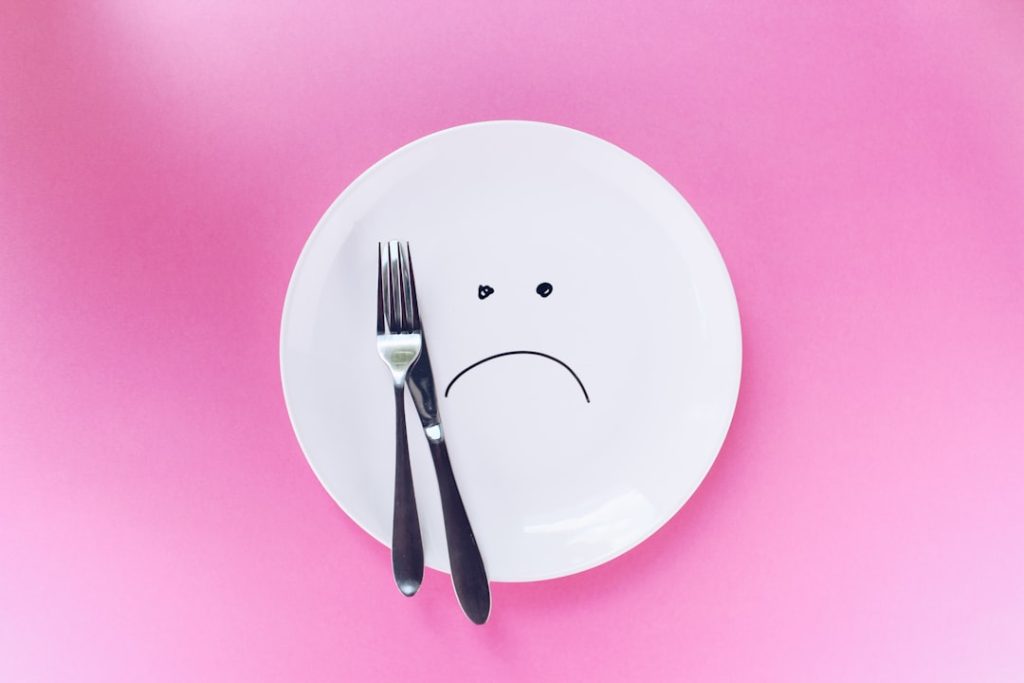


Lose 20 Pounds in 2 Months with Intermittent Fasting: How to Do It Right
Contents
Hey there! Are you ready to tackle your weight loss goals? You’ve likely heard about intermittent fasting as a popular method for shedding pounds. But before jumping in and aiming to lose 20 pounds in just two months, let’s explore what it really takes to lose weight effectively and keep it off. Spoiler alert: It involves more than just skipping meals!
What is Intermittent Fasting?
Intermittent fasting, often referred to as IF, is not just another trendy diet—it’s a sustainable eating approach that alternates between periods of eating and fasting. This method helps lower calorie intake while encouraging your body to use stored fat for energy. Imagine fasting as your body’s time to repair and rejuvenate itself. During fasting hours, your digestive system takes a breather, allowing your body to focus on fat burning.
The beauty of intermittent fasting lies in its simplicity. There’s no need to count calories obsessively or cut out your favorite foods. You simply select specific windows for eating that align well with your lifestyle. Some popular intermittent fasting methods include:
- 16/8 Method: This method involves fasting for 16 hours and eating within an 8-hour window, typically from noon to 8 PM. It’s favored for its convenience and adaptability.
- 5:2 Method: Enjoy your regular diet for five days a week but restrict calorie intake to 500-600 calories on two non-consecutive days. This adds flexibility to your eating plan.
- Eat-Stop-Eat: This approach involves fasting for a full 24 hours once or twice a week. While it can be challenging, it’s also highly rewarding for those who can sustain it.
Feeling excited? Remember that during fasting times, you can sip on zero-calorie drinks like water, tea, or black coffee to stay hydrated!
Create a Caloric Deficit
Weight loss fundamentally relies on one crucial concept: creating a caloric deficit. This means burning more calories than you consume. To shed about 20 pounds in two months, aiming for a daily caloric deficit of roughly 1,000 calories is generally recommended. While this number may seem intimidating, it’s achievable with proper planning and mindfulness.
What’s Your BMR?
Your Basal Metabolic Rate (BMR) indicates how many calories your body needs at rest to maintain vital functions. Understanding your BMR allows you to customize your calorie consumption while still achieving the caloric deficit necessary for weight loss. You can easily find your BMR using online calculators that consider your age, sex, weight, and activity level.
Steps to Create Your Caloric Deficit
- Calculate your BMR: Use a reliable online tool to determine your BMR based on personal details.
- Assess your activity level: Determine your activity level, whether you’re sedentary or highly active.
- Calculate Total Daily Energy Expenditure (TDEE): Multiply your BMR by your activity level to find your TDEE. For example, if your BMR is 1,800 calories and you’re moderately active, your TDEE may be around 2,400 calories.
- Create your deficit: Subtract 500-1,000 calories from your TDEE to foster weight loss, adjusting as needed based on your body’s responses.
Incorporating even light exercise can boost your caloric deficit, leading seamlessly into the next essential element of successful weight loss!
Get Moving: Exercise Counts!
While cutting calories is vital, physical activity beautifully complements your weight loss efforts. It’s crucial to find an exercise you love, whether it’s dancing, hiking, or hitting the gym. The key is to stay active! Here are some enjoyable exercise options to consider:
- Cardio: Engage in activities like cycling, jogging, or brisk walking for at least 150 minutes weekly. Cardio workouts are excellent for heart health and calorie burning!
- Strength Training: Including resistance exercises helps build muscle mass, which boosts calorie burn even at rest. Aim for at least two sessions weekly, targeting various muscle groups.
- Flexibility Exercises: Don’t underestimate the importance of stretching! Activities like yoga or Pilates enhance flexibility, prevent injuries, and promote overall well-being.
What to Eat
The meals you consume fuel your body, making nutritious choices essential throughout your weight loss journey. Focus on incorporating the following food groups into your diet:
- Fruits and Vegetables: These are low in calories but high in nutrients. Aim for a colorful variety that includes berries, leafy greens, and cruciferous vegetables like broccoli.
- Protein: Vital for muscle repair and keeping you full. Choose lean sources, including chicken, turkey, fish, beans, lentils, and tofu.
- Whole Grains: Opt for whole grains over refined carbohydrates. They provide fiber and keep you feeling full for longer. Think quinoa, brown rice, and whole-grain bread.
- Healthy Fats: Incorporate healthy fats from sources like olive oil, nuts, and avocados. These support heart health and enhance feelings of fullness.
Challenges of Losing Weight
It’s important to acknowledge that weight loss can come with its challenges. Many individuals might encounter a metabolic slowdown due to aging, hormonal fluctuations, or lifestyle choices. Research from AARP indicates that older adults may find weight loss efforts more complex compared to their younger years. Remember to be patient with yourself and recognize that these obstacles are part of your personal journey.
Keeping the Weight Off
Once you reach that impressive 20-pound milestone, congratulations! However, your journey doesn’t end here. To maintain your weight loss, focus on adopting lasting lifestyle changes instead of resorting to temporary solutions. Stay active, monitor your food intake, and pay attention to your body’s signals. Remember to celebrate even the small victories along the way!
FAQs about Weight Loss and Intermittent Fasting
1. How long can I do intermittent fasting?
You can practice intermittent fasting for as long as it feels beneficial! Listen to your body and don’t hesitate to take breaks if you need to.
2. Is 20 pounds too much to lose in two months?
While losing 20 pounds is achievable, it can also be quite challenging. Generally, a target of 1-2 pounds per week is seen as safer and more sustainable for long-term success.
3. What should I eat during eating windows?
Focus on consuming whole, nutrient-rich foods like fresh fruits, colorful vegetables, lean proteins, and healthy fats. Limit processed foods as much as possible.
4. Can I still drink coffee while fasting?
Yes! Black coffee can help suppress your appetite since it contains zero calories. Just remember to keep it basic—no added sugars or creams!
5. Do I need to exercise while fasting?
Exercising can enhance your weight loss results while fasting. Pay attention to your body’s signals and modify your workouts as needed during fasting hours.
6. What’s the best exercise for weight loss?
A combination of cardio and strength training exercises is often considered the most effective for weight loss. Choose activities that you genuinely enjoy to maintain consistency in your routine.
Wrapping Up
In conclusion, shedding 20 pounds in two months requires commitment and a solid understanding of your body. By harmonizing smart eating habits with a consistent exercise regimen, intermittent fasting can be a valuable tool on your weight loss journey. Always prioritize lasting lifestyle changes over quick fixes! Get ready to embrace a healthy, sustainable way of living!
For more guidance and insightful information, check out Diet vs Disease or explore further insights from Cleveland Clinic.
Affiliate Disclosure: Some links, including those to my Etsy shop, ApauloTees, are affiliate links. I may earn a commission at no added cost to you.