
What Does a Barista Really Do?
Contents
When you hear “barista,” you might picture someone making a cappuccino and handing it over with a smile. That’s part of the job. But there’s a lot more happening behind the counter: making drinks, helping customers, cleaning, keeping track of supplies, and working as a team.
A barista might be the first person a customer talks to in the morning. They may also notice that the milk is running low, the espresso tastes off, and the line is getting longer—all at once. Every shift has its own rhythm, and no two are quite the same.
Knowing what baristas do can help you decide if the job is right for you. It can also help café owners explain the role and train new staff. Whether you’re looking for your first café job or thinking about a future in coffee, it helps to know what the work is really like.
This guide covers a barista’s main duties, useful skills, and typical shift. There’s also an example of a morning rush, when coffee orders seem to arrive in groups.
What Does a Barista Do?
A barista prepares and serves drinks in places like cafés, coffee shops, restaurants, and hotels. Coffee is often the main focus, but the menu may also include tea, hot chocolate, cold drinks, pastries, and light meals. Baristas may greet customers, take orders, accept payments, clean the service area, and restock supplies, too.
Espresso is a big part of many barista jobs. A barista may grind coffee beans, prepare the espresso machine, measure coffee, steam milk, and follow a recipe to make each drink. Small changes to the grind or amount of coffee can change the taste, so the job takes care and attention.
Every café works a little differently. In a small shop, one person may take orders, make drinks, warm pastries, and wipe tables. A larger café might split those tasks across a team. Hotel and kiosk jobs may have different menus and service styles.
Some employers use titles like coffee maker, café assistant, or coffee shop team member. Whatever the title, read the job description closely. The role may include food prep, cash handling, opening or closing duties, or drive-through service.
The U.S. Bureau of Labor Statistics overview describes common duties in food and drink service jobs. The exact work at a café depends on its size, menu, and customers. One shop may focus on latte art. Another may care most about fast, friendly service at the counter.
Main Barista Responsibilities
Most barista duties fit into a few broad areas: making drinks, helping customers, keeping the café clean, and supporting the team. These tasks overlap throughout the shift.
Making Coffee and Other Drinks
Drink preparation is the task most people think of first. Baristas make espresso drinks like lattes, cappuccinos, and Americanos. They may also brew drip coffee, prepare cold brew and tea, or blend cold drinks. Each café has its own recipes, cup sizes, and steps. Following them helps keep drinks consistent.
To make an espresso drink, a barista may grind the beans, fill and tamp the portafilter, start the shot, and check how it pours. Then they add milk or water as needed. Steaming milk takes practice. The aim is to heat it safely and give it the right texture. A flat white, for example, usually has a different balance of coffee and milk than a large latte.
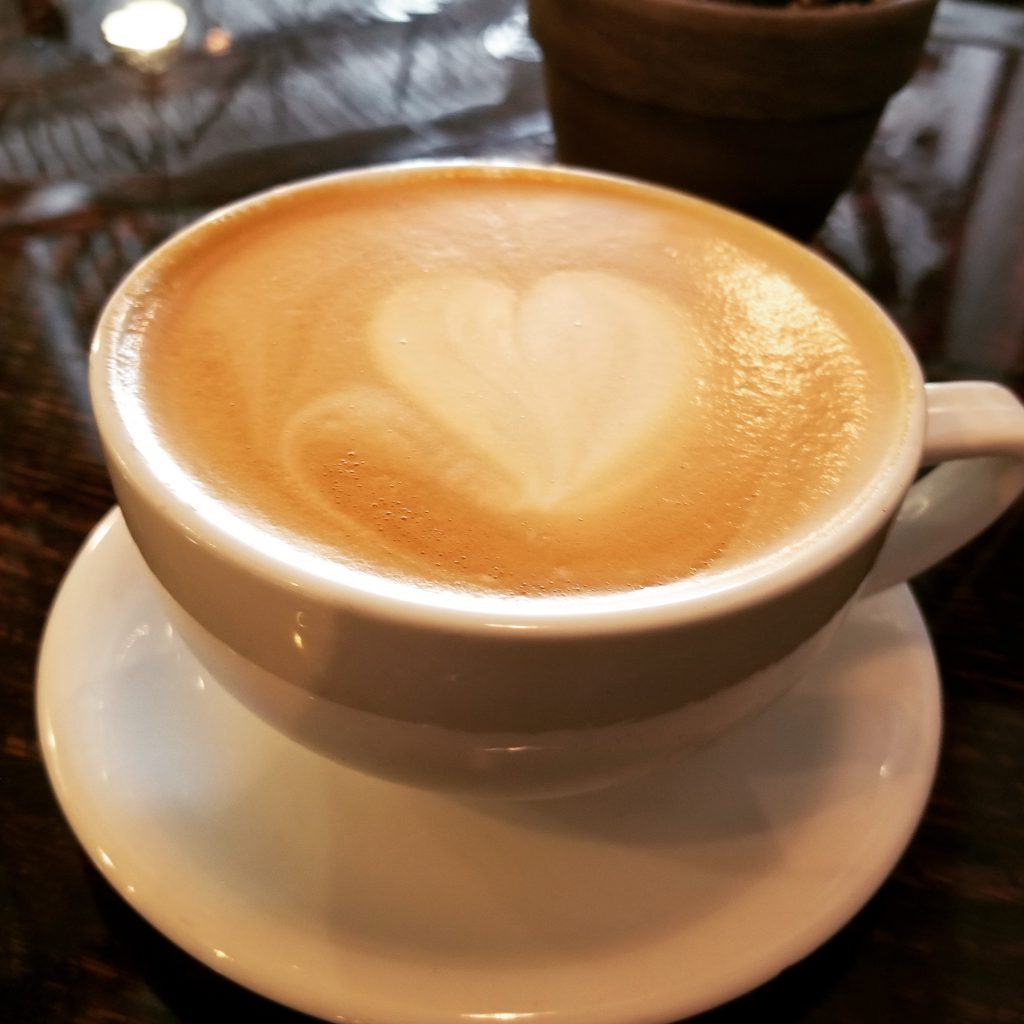
Not every drink needs fancy latte art. A tasty, well-made drink matters more than a perfect leaf pattern. If someone asks for a dairy-free option, the barista should follow the café’s rules for handling oat, soy, almond, or other milks. Some cafés use separate pitchers or cleaning steps to avoid contact between ingredients. Never guess about allergies. Follow workplace rules and ask a manager if you’re unsure.
Baristas also check drink quality. If an espresso shot pours much faster or slower than usual, they may need to adjust the grinder or tell a shift lead. If a drink tastes wrong, it’s often better to remake it than to send it out and hope for the best. Customers can tell when something is off.
Taking Orders and Helping Customers
Customer service is part of the job, even when people order through an app. Baristas greet customers, explain menu items, answer questions, repeat orders, and confirm any changes. A calm, friendly interaction can help someone feel welcome before they’ve even taken a sip.
Listening matters more than having a perfect greeting. A customer might ask for a small drink, an extra espresso shot, decaf coffee, or a certain type of milk. Repeating the order helps catch mistakes before the drink is made. It’s especially useful when the café is busy and the espresso grinder sounds like a tiny helicopter.
Baristas should know the menu well enough to answer common questions. They may explain the difference between popular espresso drinks, name available syrups, or say which drinks can be made iced. They don’t need to know everything. If they’re unsure, it’s better to check than to make up an answer.
Problems come up, too. A drink may be made the wrong way. A payment might not go through, or a customer may be upset about a wait. Baristas can listen, apologize when it makes sense, and follow the café’s steps for fixing the issue. Some situations need a supervisor. Asking for help is part of the job, not a failure.
Some customers enjoy a chat. Others just want their usual order and a quiet start to the day. Paying attention to the moment helps baristas be friendly without forcing conversation. Sometimes a simple “Good morning” is enough.
Taking Payments and Using the Register
Many baristas use a point-of-sale system, or POS, to enter orders and take payments. It might be a touchscreen, tablet, register, or café app. Baristas may accept cash, cards, mobile payments, gift cards, and online orders. They might also apply discounts or follow rules for refunds and canceled sales.
Accuracy at the register matters. Missing a size change or an extra shot can affect the price and the drink. A quick check before sending the order to the bar can prevent problems later.
Cash handling may also be part of the role. Baristas might count change, organize bills, and follow rules for the cash drawer. Some cafés ask staff to count the register at the start or end of a shift. If something doesn’t look right, report it using the workplace process instead of trying to fix it quietly.
Digital orders add another step. Cafés may receive them through an app, website, or delivery service. Baristas need to keep those orders moving along with walk-in orders. Clear labels and careful handoffs help make sure drinks reach the right person. Names help, though they can be hard to hear over a steaming wand.
Cleaning, Food Safety, and Equipment Care
Cleaning isn’t just for closing time. Baristas clean as they go. They wipe counters, rinse milk pitchers, clear used cups, clean the steam wand, and keep the floor safe. A tidy station is easier to work in and more welcoming for customers. It can also help prevent spills and equipment problems.
Espresso machines need regular care. Baristas may flush the group heads, wipe the portafilter baskets, clean the drip tray, and follow a schedule for cleaning the machine. Grinders need attention, too. Coffee grounds can build up and affect the taste or make equipment harder to use. Each café should show staff how to clean its machines and which products to use.
Food safety matters whenever baristas handle milk, food, or ready-to-eat items. They may need to wash their hands at certain times, use clean tools, store food at the right temperature, and keep ingredients from touching when they shouldn’t. Rules vary by location, so staff should follow local requirements and workplace training. In the United States, the FDA Food Code offers guidance for food safety.
Small habits can make a big difference. Don’t use a milk pitcher that’s been sitting out all day just because it looks clean. Warn others about a wet floor. Report broken equipment, a fridge that isn’t staying cold, or supplies that have run out. These tasks may not be exciting, but they help protect customers and coworkers.
What a Typical Barista Shift Looks Like
A shift often has three parts: opening, serving customers, and closing. Schedules vary. Some baristas start early in the morning, while others work lunch, evenings, or weekends. In a small café, one person may handle several jobs. In a larger shop, staff may split tasks between the register, espresso bar, and food area.
Opening the Café
An opening barista may unlock the café, turn on equipment, and get the work area ready. They might warm up the espresso machine, set up the grinder, brew coffee, stock cups and lids, and check that milk and other ingredients are available. Many cafés use an opening checklist so nobody has to remember every detail before their first coffee.
Opening tasks may also include checking the seating area, wiping surfaces, setting out pastries, and making sure the POS system works. If the grinder needs adjusting, the barista may pull a test shot and make a small change. Opening can feel like a quiet puzzle: the café isn’t fully awake, but the equipment is already making demands.
Serving Customers
Once people arrive, baristas move between orders, drink making, cleaning, restocking, and talking with coworkers. During a quiet moment, there may be time to refill napkins or clean a shelf. During a rush, the focus is usually on taking accurate orders, making drinks in order, and keeping the handoff area clear.
Baristas need to keep an eye on the whole station. A drink may be ready while a customer is still waiting for food. A coworker may need a clean pitcher. The register may have a line as mobile orders pile up. Teamwork helps keep things moving. A quick message like “I have the next two lattes” can help everyone stay on track.
Closing the Café
Closing duties may include cleaning the espresso machine and grinder, storing ingredients, washing tools, taking out the rubbish, wiping tables, and restocking supplies for the next shift. Staff may also need to count cash, turn off equipment, and check the doors. A checklist helps make sure no important steps are missed when everyone is tired.
A good close makes life easier for the opening team. The café doesn’t have to look untouched, but the main work areas should be clean, safe, and ready to use. A missing pitcher or empty stack of cups can turn into a morning headache. A clear closing routine helps prevent that.
Skills That Make Barista Work Easier
Barista skills go beyond knowing about coffee. The job calls for hands-on ability, communication, and good judgment. Many technical skills can be learned at work. Practice, patience, and helpful training make a big difference.
Communication and Listening
Clear communication helps baristas take accurate orders and work well with teammates. That means listening, checking important details, and speaking up when something isn’t clear. It also means sharing useful information with coworkers. “We’re out of oat milk” is much better than waiting until after a customer pays to mention it.
Customers may be tired, distracted, or in a hurry. A short, calm reply is often more helpful than a long explanation. If a mistake happens, focus on fixing it. “I’m sorry—I’ll remake that for you” is clear. The customer doesn’t need a detailed story about what happened with the milk pitcher.
Time Management and Attention to Detail
During a rush, a barista may have several orders to manage at once. Time management helps them decide what to do next without losing track of details. A steady routine makes common tasks easier. Baristas may group similar drinks when it fits the café’s system, while still checking each order carefully.
Speed shouldn’t come at the cost of safety or accuracy. A quick drink made with the wrong milk is still wrong. Baristas learn to keep tools close, work with purpose, and clean small messes before they grow. They also watch for details like cup size, decaf requests, allergy notes, and temperature preferences.
Learning and Using Feedback
New baristas need time to practice. Espresso machines have different settings, and coffee can behave differently from one day to the next. A trainer may show a new worker how to adjust the grind or steam milk. The first try might be too foamy, too hot, or not very pretty. That’s normal. Nobody starts out knowing how to make a perfect cappuccino.
Feedback can help baristas improve. It’s useful to ask clear questions, such as “Was that milk texture right for a flat white?” or “Should I adjust the grinder before the next shot?” A good workplace gives new staff time to learn and explains its standards.
Staying Calm During a Rush
Some shifts are quiet. Others seem to bring in everyone in town at once. Staying calm doesn’t mean you never feel pressure. It means focusing on the next task instead of trying to solve the whole line at once. Take the order, check it, make the drink, and move it to the handoff area.
Ask for help early when you need it. A coworker might take over the register, restock cups, or call out finished orders. Good teamwork can keep a busy café from feeling like a one-person juggling act. And if a cup falls—because it always seems to happen at the worst time—the team can clean it up and carry on.
Example: Handling a Morning Coffee Rush
Picture a café with three people working. One takes orders, one makes espresso drinks, and one handles brewed coffee and food. At 8:15 a.m., a line starts to form. Six orders come in within a few minutes. Customers are waiting at the counter, and mobile orders are popping up on the screen.
The first barista greets customers and enters their orders into the POS system. They repeat special requests, such as decaf espresso or oat milk. That quick check can prevent a remake. If something on the menu is unavailable, they let the customer know and suggest another option if they’d like one.
The barista at the espresso machine checks the tickets and makes drinks in a sensible order. They keep an eye on the shots and milk, but they don’t try to make every cup look perfect. Accuracy comes first. The third team member pours drip coffee, warms food, and keeps the handoff area clear. They make another batch of coffee when there’s time.
After a few orders, the espresso barista notices that the shots are pouring too quickly. They tell the shift lead and follow the café’s steps for adjusting the grinder. They don’t change several settings at once and hope for the best. While the lead checks the grinder, the team keeps making drinks they can prepare to the café’s standards and lets customers know if there’s a short delay.
Then a customer says their latte was supposed to be decaf. The barista listens, apologizes, and checks the ticket. If café policy says to remake the drink, they do that and label it clearly. They don’t argue or guess what went wrong. Once the order is fixed, they move on to the next task.
When the rush slows down, the team wipes the counter, rinses pitchers, restocks cups, and checks the milk supply. Then they can catch up on dishes and reset the station. A rush doesn’t mean one person has to do everything at once. Clear roles, quick messages, steady attention, and teamwork make it easier to get through.
Common Challenges of Barista Work
Barista work can be rewarding, but it has its challenges. Shifts may start early, involve long periods on your feet, or get busy without warning. Hot equipment, heavy containers, wet floors, and repeated movements are part of the job. Staff should use safe lifting habits and report hazards. Employers should provide proper training and a safe workplace.
Some customer interactions can be tough, too. A person may be upset about a wait, a price, or a drink that isn’t what they expected. Baristas should follow the café’s service rules and ask a supervisor for help if a situation becomes uncomfortable or unsafe. Serving customers doesn’t mean having to accept personal abuse.
Another challenge is balancing speed with quality. A café may aim to keep wait times short, but rushing can lead to mistakes. A clear workflow and an organized station help. It’s easier to work quickly when you know where the clean pitchers are than when you have to search through a sink full of dishes.
The job also includes routine tasks. Cleaning the same machine every day may not sound exciting, but it helps keep equipment in good shape, supports food safety, and makes the next shift easier. If you like hands-on work and seeing the results, these tasks may feel satisfying. If you dislike repetition, it’s worth knowing that before you apply.
How Barista Responsibilities Can Grow
Many baristas start with training in customer service, drink recipes, food safety, and the POS system. With experience, they may learn more about espresso, coffee origins, grinder settings, stock management, or training new staff. Some move into shift lead or café manager roles. Others work in roasting, coffee sales, equipment service, or coffee education.
Career growth depends on the person and the workplace. A large company may offer formal training and clear steps toward management. A small café may have fewer job titles but give staff a chance to learn many different tasks. In either setting, being reliable matters. Showing up on time, following procedures, communicating well, and caring for equipment all help build trust.
Barista experience can also help with other jobs. The role builds skills in customer service, teamwork, cash handling, time management, and problem solving. Those skills can transfer to restaurants, hotels, retail, and other service work. The U.S. Bureau of Labor Statistics includes food and drink service jobs in its broader employment information, which can help you compare related roles.
If you want to learn more about coffee, take it one step at a time. You might practice steaming milk, then learn how the café adjusts its espresso, and later help with a stock count. Trying to learn everything during a packed shift can be overwhelming. Coffee skills grow with practice, and each good shot makes the next adjustment a little easier.
How to Prepare for a Barista Job
You don’t always need café experience to apply for an entry-level barista job. Employers may look for reliability, a friendly attitude, and a willingness to learn. If you’ve worked in retail, food service, or another customer-facing role, talk about what you learned. You may have handled payments, followed safety rules, or helped customers choose a product.
Before an interview, check out the café’s menu and service style. Does it focus on espresso? Does it serve breakfast? Does it take mobile orders? Knowing a little about the shop can help you ask useful questions. You might ask what training includes, how the team shares duties, and whether the job involves opening or closing shifts.
Be honest about what you know. If you’ve never used an espresso machine, say so. You can also explain that you’re ready to learn and comfortable following instructions. Pretending to have skills you don’t have can make training harder for everyone. A good employer should explain its recipes, equipment, cleaning steps, and service standards.
Some job ads ask for skills like adjusting espresso or pouring latte art. Those skills can help, but they aren’t required for every first barista job. It’s useful to learn the names of common drinks and understand the basics of espresso, steamed milk, and brewed coffee. You can also read this overview of technical skills for baristas. Use online advice as background, then follow your employer’s methods.
Frequently Asked Questions About Barista Responsibilities
What are a barista’s main responsibilities?
Baristas make and serve drinks, take orders, accept payments, and help customers. They may also clean equipment, restock supplies, handle food safely, and support their coworkers. Duties vary, so check the job description for each café.
Do you need experience to get hired as a barista?
Not always. Many cafés train new staff on drink recipes, equipment, and workplace rules. Customer service experience, reliability, and a willingness to learn can help. Some specialty cafés may ask for experience making espresso.
Is being a barista mostly about making coffee?
Making coffee is a key part of the job, but it’s not the only one. Baristas also help customers, manage orders, clean equipment, restock supplies, and work with a team. The balance depends on the café and how busy it is.
What skills should a barista have?
Useful skills include communication, attention to detail, time management, teamwork, and comfort with basic payments. Baristas also need to follow recipes and food safety rules. Coffee skills improve with training and practice.
Do baristas need to know how to make latte art?
Usually not. Some specialty cafés may value latte art, but accurate orders, clean equipment, safe work, and good customer service matter more. Baristas can learn latte art over time.
What is the hardest part of being a barista?
It depends on the person. Some find early starts or busy rushes hard. Others find it tricky to balance speed, accuracy, and customer service. A steady routine and helpful coworkers can make the work easier.
Know What to Expect Before You Apply
Barista work brings together practical tasks and small moments with people. The job includes making drinks to a recipe, keeping equipment clean, handling payments, and helping customers feel welcome. It may also mean answering a question, fixing an order, or noticing that the milk fridge needs attention.
That mix is what many people enjoy. Shifts have routines, but they’re not always predictable. One moment, you might be adjusting espresso. The next, you could be explaining the difference between a mocha and a latte. You may finish tired, with coffee grounds on your shoes, but proud that your team made it through a busy shift.
If you’re thinking about café work, ask what the job involves before you accept an offer. Find out how training works, which shifts you may cover, and how the team handles busy periods. Barista duties vary from one café to another. Look for a workplace with clear expectations, safe practices, and time to learn.