

10 Coffee Drinks Worth Trying
Contents
Coffee can be a quick stop on the way to work or a cozy break in the middle of the day. Some people love a tiny, strong espresso. Others reach for a smooth latte—or even coffee poured over ice cream. Honestly, that last one makes a pretty good afternoon treat.
Coffee menus can feel confusing. Drinks may have similar names but taste very different. The good news? You don’t need to learn every café term to find a coffee you like. A little know-how about coffee, milk, and brewing can help you order with confidence.
Here are ten classic drinks to try, from rich espresso to chilled cold brew. You’ll find out what goes into each one, how it tastes, and how to order or make it at home. There are no strict rules here. The best coffee is the kind you enjoy.
Quick Guide to 10 Coffee Drinks
| Coffee drink | What it is | Best for |
|---|---|---|
| Espresso | A small, concentrated coffee | Rich flavor in a few sips |
| Americano | Espresso mixed with hot water | A longer, less intense black coffee |
| Cappuccino | Espresso with steamed milk and foam | A foamy, balanced coffee break |
| Caffè latte | Espresso with plenty of steamed milk | A smooth, mild drink |
| Flat white | Espresso with steamed milk and a thin layer of foam | A creamy drink with a strong coffee taste |
| Macchiato | Espresso with a little milk | A bold drink with a softer edge |
| Mocha | Espresso, milk, and chocolate | A sweet, chocolatey coffee |
| Cold brew | Coffee steeped slowly in cold water | A smooth, chilled drink |
| Turkish coffee | Fine coffee simmered in water and served unfiltered | A rich, traditional coffee experience |
| Affogato | Espresso poured over ice cream | A coffee-and-dessert treat |
1. Espresso: A Small Cup With a Big Personality
Espresso is made by pushing hot water through finely ground coffee under pressure. It’s served in a small cup, often as a single or double shot. But don’t let the size fool you. A good espresso can taste sweet, nutty, fruity, or chocolatey, depending on the beans and how they’re brewed.
Espresso isn’t a special kind of coffee bean. It’s a way of brewing coffee. Cafés may use beans labeled “espresso blend,” but many kinds of beans can work. The flavor depends on the beans, grind, water, and brewing method. You may also see a golden layer of foam on top, called crema. It looks nice, but it doesn’t guarantee a great-tasting shot. Coffee shouldn’t be judged by its hat.
Try espresso if you like bold flavors or want to taste coffee without much milk or sugar. Sip it while it’s warm and notice what stands out. Does it taste sweet, bitter, sharp, or smooth? If it’s too strong for you, ask for a glass of water on the side. A little sugar is fine, too. There’s no coffee rulebook.
At a café, ask for a single or double espresso. At home, a moka pot can make a strong, espresso-like coffee, though it won’t be exactly the same as a machine-made shot. Espresso is also the base for drinks like cappuccinos, lattes, and mochas. Try it on its own first, then see what milk or water does to the flavor.
2. Americano: Espresso With Room to Stretch
An Americano is espresso mixed with hot water. It keeps some of espresso’s roasted flavor but makes a larger drink you can sip over time. The amount of water changes from café to café. If you want to control the strength, ask for the espresso and water on the side, then mix them to your taste.
This is a good choice if you like black coffee but want to try something made with espresso. It can taste rich, smooth, or a little sharp, depending on the beans and the shot. Adding water makes the flavor less concentrated, but it doesn’t remove caffeine. The caffeine depends on how many espresso shots are in the drink. A large Americano might just have more water, not more coffee.
There are a few stories about the Americano’s name, but its exact history isn’t clear. One popular story says American soldiers in Italy added water to espresso during the Second World War. Whatever its origin, it’s now a common café order. It’s a nice middle ground if straight espresso feels too strong but you don’t want milk.
To make one at home, pour hot water into a shot of espresso—or pour the espresso into the water. The order can change the drink’s look and feel a little. Start with equal amounts, then adjust. Add more water for a gentler taste or less for a richer one. Sometimes a simple change is all it takes.
3. Cappuccino: Espresso, Milk, and a Cloud of Foam
A cappuccino combines espresso, steamed milk, and a layer of milk foam. It’s usually smaller than a latte, with a more even balance of coffee and milk. The foam feels light and airy, while the espresso adds a deep, roasted taste. Some cafés add cocoa or cinnamon on top, but the drink is tasty without it.
The milk texture matters. Steamed milk should feel smooth, and the foam should be light—not stiff and dry. When made well, the milk and foam blend into the espresso instead of sitting in separate layers. Cappuccinos can vary by café, so one may be larger or milkier than another. The name gives you a general idea, not an exact recipe.
Choose a cappuccino when you want milk in your coffee but still want to taste the espresso. It works well in the morning or as a small treat after lunch. If you usually order a latte, try a cappuccino next time. Its smaller size and foamy top can make the coffee flavor stand out more.
You can make a simple version at home with espresso or strong coffee and warmed milk. A handheld frother can make foam without fancy equipment. Heat the milk gently, froth it, and spoon it over your coffee. Whole milk usually makes a creamy topping, while oat, soy, and other plant-based drinks can foam differently. Look for a barista-style option if you want thicker foam. And don’t worry about latte art. Your drink doesn’t need a swan to taste good.
4. Caffè Latte: A Smooth, Milky Favorite
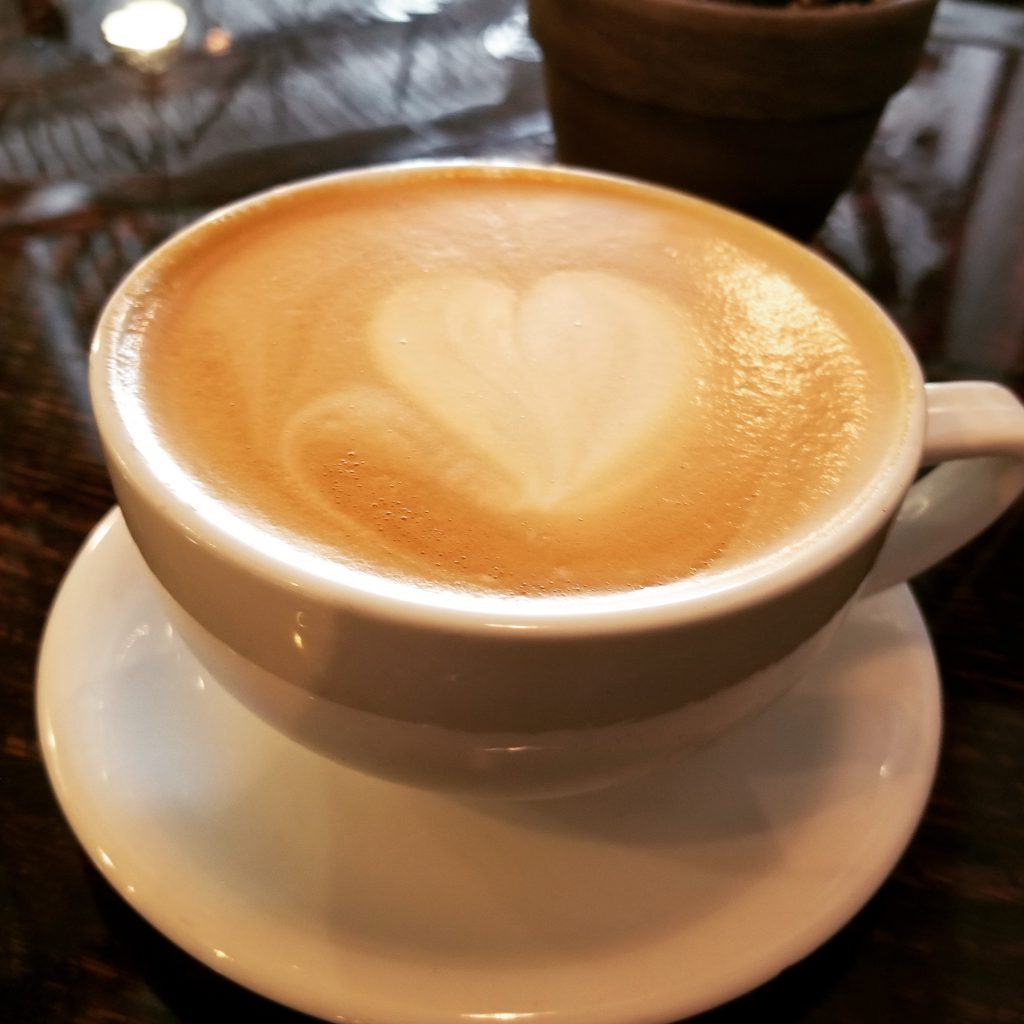
A caffè latte is made with espresso and steamed milk, usually topped with a thin layer of foam. It tends to have more milk than a cappuccino, so it tastes smooth and mild. The espresso is still there, but it shares the spotlight. That makes a latte a good pick if you like coffee but don’t want a very strong or bitter drink.
Latte menus often include flavors like vanilla, caramel, and seasonal spices. Try a plain latte first if you want to taste how the coffee and milk work together. If you want syrup, start with one pump. Sweet flavors can take over fast, and the espresso shouldn’t have to sing backup to a caramel solo.
In Italian, “latte” means milk. So if you order just a latte in Italy, you might get a glass of milk. The drink many English speakers mean is called a caffè latte. Outside Italy, cafés usually understand “latte” to mean espresso with steamed milk. If you’re traveling, check the menu or ask what comes in the drink. That can help you avoid a very milky surprise.
To make a latte at home, brew a shot of espresso or a small amount of strong coffee. Warm the milk and froth it lightly, then pour it into the coffee. Dairy and plant-based milks each have their own flavor and texture, so try a few if you like. You can also adjust the balance: use less milk for a stronger taste or more for a softer one. It’s an easy drink to make your own.
5. Flat White: Silky Milk and a Strong Coffee Taste
A flat white combines espresso with steamed milk that has a fine, smooth texture. It usually has less foam than a cappuccino and less milk than a large latte. The result is creamy, but you can still taste the espresso. “Flat” doesn’t mean there’s no texture. It refers to the thin, even layer of tiny bubbles on top, instead of a tall cap of foam.
The flat white is often linked to Australia and New Zealand. Both countries have a claim to its origin, and the exact story is still debated. Today, cafés make it in different ways. The cup size, amount of milk, and number of espresso shots can vary, so there isn’t one recipe used everywhere.
Try a flat white if you like lattes but want the espresso flavor to come through more. It’s a good choice when you want a creamy drink without a lot of foam. Compared with a cappuccino, it feels less airy. Compared with an Americano, the milk softens the coffee. It sits right in the middle.
Making one at home takes some practice because the milk texture is key. Brew espresso, then steam or froth the milk until it looks glossy and pours smoothly. Try not to make a thick, dry layer of foam. A handheld frother can help if you don’t have a steam wand, though the texture may be different. Pour the milk slowly and finish with a thin, creamy top. Latte art is optional. A tasty drink matters more than a tiny drawing.
6. Macchiato: A Little Milk Makes a Mark
A traditional espresso macchiato is a shot of espresso with a small amount of milk or milk foam. The espresso stays at the center, while the milk softens its edges. “Macchiato” is often translated as “marked” or “stained,” which suits the classic drink. It’s small and strong, not usually a large, sweet coffee.
Ordering a macchiato can be confusing because cafés use the name in different ways. A traditional espresso macchiato is small and bold. A latte macchiato is often taller and made by adding espresso to milk. Some coffee chains also sell sweet, layered drinks with “macchiato” in the name. Those can be tasty, but they’re quite different from the classic version. Ask for an espresso macchiato if that’s what you want.
This drink is a nice pick if you like espresso but want to soften the first sip. A little milk changes the texture without turning it into a latte. You can ask for steamed milk or a small spoonful of foam. If you’re unsure, simply ask for a small espresso with a little milk. A clear request helps the barista know which kind you mean.
To make one at home, prepare a shot of espresso and add a teaspoon or two of foamed milk. Don’t have an espresso machine? A small, strong coffee from a moka pot can work as a stand-in, though it won’t taste exactly the same. Sip it slowly and notice the contrast between the rich coffee and soft milk. A tiny change can make a familiar drink feel new.
7. Mocha: Coffee Meets Chocolate
A mocha, also called a caffè mocha, mixes espresso, milk, and chocolate. The chocolate might come from cocoa powder, syrup, or melted chocolate. Recipes vary. One mocha may taste rich and dark, while another is sweet and dessert-like. Many cafés add whipped cream, but you can ask to leave it off.
The drink gets its name from Mocha, a historic port city in Yemen that was once closely linked to the coffee trade. Today’s café mocha isn’t a single traditional recipe, but the name reflects coffee’s long connection with the region. The drink is popular with people who enjoy both coffee and chocolate. Milk and sweetness can also make espresso feel less intense.
When ordering, think about how sweet you want your drink. Ask whether the café uses dark chocolate, cocoa, or a sweet syrup. A small size may be enough, since chocolate and milk can make a mocha filling. You can also ask for less syrup to keep the chocolate flavor without making the drink too sweet.
For a simple homemade mocha, stir cocoa powder or chocolate into hot espresso until it dissolves. Add warm milk and mix well. A pinch of cinnamon adds warmth, and a tiny bit of salt can bring out the chocolate flavor. Add sugar if you like. It’s easy to adjust the recipe after your first try. A mocha can be a morning coffee, a cold-weather comfort drink, or an afternoon treat.
8. Cold Brew: Slow-Steeped and Served Chilled
Cold brew is made by steeping coffee grounds in cold or room-temperature water for several hours, often overnight. The grounds are filtered out, leaving a chilled coffee that may be ready to drink or made as a concentrate. Since it isn’t brewed with hot water, cold brew often tastes smooth and mellow. The beans and brewing time still make a big difference.
Cold brew isn’t the same as iced coffee. Iced coffee is usually brewed hot, then cooled or poured over ice. Cold brew starts with cold water and takes longer to make. You can prepare a batch ahead of time and keep it in the fridge. If it’s a concentrate, add water or milk until it tastes right. Some café versions are strong, so your first sip may wake you up quickly.
Cold brew can have plenty of caffeine, especially if it’s a concentrate or served in a large cup. The amount depends on the coffee, recipe, serving size, and café. If you’re keeping an eye on your caffeine, ask how the drink is made or choose a smaller size. Cold and smooth doesn’t always mean low in caffeine.
To make cold brew at home, mix coarsely ground coffee with cold water in a clean jar. Let it steep in the fridge for about 12 to 18 hours, then strain it through a fine filter. Try about one part coffee to four parts water for a concentrate, then dilute it to taste. Brewing times and amounts are flexible, so adjust them to find what you like. For another chilled twist, try this coffee lemonade recipe from Milk and Pop. Coffee and citrus may sound like an odd pair, but they can be surprisingly refreshing together.
9. Turkish Coffee: Fine Grounds and Slow Heat
Turkish coffee is made with very finely ground coffee, water, and sometimes sugar. The mixture is heated in a small pot, often called a cezve or ibrik, until foam forms on top. It’s poured into small cups without filtering out the grounds. They settle at the bottom, so sip slowly and leave the last bit in your cup.
People enjoy Turkish coffee in Türkiye and across nearby regions, though recipes and customs vary. Some drink it without sugar; others add sugar as it brews. Since the coffee isn’t filtered, it has a different texture and taste from drip coffee or espresso. It’s rich and intense, with fine grounds at the bottom. It’s often served with water or a small sweet on the side.
Turkish coffee is a lovely choice when you want a slower coffee break instead of a quick drink to go. If you order it, say whether you want it unsweetened or sweet. Sugar is usually added during brewing, so it may be hard to stir in later. If you have a preference, ask how the café prepares it.
At home, use coffee ground almost as fine as powder. Add it to cold water in a cezve, along with sugar if you like. Heat the pot slowly and watch as foam forms. Take it off the heat before it boils over, then pour it carefully into small cups. It takes practice, but that’s part of the fun. Turkish coffee also has a rich social history. UNESCO shares more in its overview of Turkish coffee culture and tradition. The drink is more than a strong cup. It’s often a reason to sit together and talk.
10. Affogato: Espresso Over Ice Cream
An affogato is a scoop of ice cream or gelato topped with a shot of hot espresso. The name means “drowned” in Italian, which is a dramatic way to describe a cheerful dessert. The hot espresso melts the edges of the cold ice cream, making a creamy coffee sauce. Each bite brings together hot and cold, bitter and sweet.
Vanilla gelato is a popular choice because its mild flavor lets the coffee stand out. You could also try chocolate, hazelnut, or coffee ice cream. A bold espresso can balance a sweet scoop, while a lighter coffee may pair nicely with rich chocolate. There are no strict rules. That’s good news if you’ve ever wanted dessert before the dessert menu arrived.
Some cafés list affogato as a dessert, while others put it on the coffee menu. It’s small but rich, so sharing one is a good idea. Ask whether it comes with a single or double shot and whether the ice cream contains dairy. If you avoid dairy, try it with plant-based vanilla ice cream. Pour the espresso just before you eat. Wait too long and you’ll end up with a sweet coffee puddle.
At home, place a scoop of vanilla ice cream in a small bowl or cup. Brew a fresh shot of espresso and pour it over the top. Strong coffee from a moka pot works if you don’t have an espresso machine. Add dark chocolate or crushed biscotti if you like, but the basic version needs no extras. It’s easy to make and feels special, even on an ordinary evening. An affogato is perfect for anyone who likes the line between coffee and dessert a little blurry.
How to Choose the Right Coffee Drink for You
Start by thinking about what you want. For strong coffee with little added, try espresso or an Americano. For something creamy, choose a latte or flat white. Want more foam? Go for a cappuccino. If you’re in the mood for something sweet, try a mocha. Cold brew is great on a warm day, while an affogato is closer to dessert than an everyday coffee.
Texture matters, too. You might like the airy foam in a cappuccino or the smooth milk in a latte. If you don’t drink milk, try espresso, an Americano, cold brew, or Turkish coffee. If you’re unsure about caffeine, ask how many espresso shots the drink contains. Serving sizes and caffeine levels vary, so a larger cup doesn’t always mean a stronger drink.
Different kinds of milk can change a drink’s taste and texture. Whole milk is often creamy, while oat milk may taste slightly sweet. Soy and other plant-based options can foam differently from one brand to another. Ask which dairy-free choice works best for steaming. There’s no need to feel awkward about asking. It’s your coffee, and the staff wants you to enjoy it.
If you’re new to coffee, try one drink at a time and notice what you like. Was it strong, smooth, sweet, cold, or foamy? A few simple notes can help you find your favorites. And if a drink isn’t for you, that’s useful to know, too. Coffee tasting isn’t a school exam. Nobody’s grading you for choosing a latte over espresso.
A Simple Coffee Tasting Guide
Choose three drinks that are easy to compare: an Americano, a cappuccino, and a latte. Order small sizes if they’re available, and try them without syrup first. That way, you can taste how espresso, water, and milk change the flavor. You can always add sweetness afterward.
Start with the Americano. Take a sip and notice the roasted flavor and how strong it feels. Next, try the cappuccino. Pay attention to the foam and how the milk changes the texture. Finish with the latte. Its extra milk may make it taste smoother and milder. You don’t need fancy tasting words. “Nutty,” “smooth,” and “a little bitter” all get the job done.
Think about how filling each drink feels and how long you’d like to sip it. An Americano may suit a longer break, while a cappuccino can feel like a small treat. A latte may be easy to enjoy slowly. If you’re tasting with friends, compare notes. People often notice different flavors in the same cup, which makes it more fun.
Once you find a favorite, ask the barista what beans they used and how many shots are in the drink. That may explain why it tastes different from one you had somewhere else. Next time, try the same drink with another roast or type of milk. Small changes can make a familiar order taste new. It’s an easy way to explore a coffee menu and figure out what you like.
Frequently Asked Questions About Coffee Drinks
What’s the difference between a latte and a cappuccino?
A latte usually has more steamed milk and a thinner layer of foam. A cappuccino often has a more even mix of espresso, steamed milk, and foam. Recipes vary by café, but lattes tend to taste milder and creamier, while cappuccinos are foamier and more coffee-forward.
Is an Americano stronger than regular coffee?
It depends on the number of espresso shots and the size of the drink. An Americano may taste bold, but its caffeine depends on the shots—not just the size of the cup.
Is cold brew the same as iced coffee?
No. Cold brew steeps coffee grounds in cold or room-temperature water for several hours. Iced coffee is usually brewed hot, then cooled or poured over ice. The different brewing methods can lead to different flavors. Cold brew often tastes smoother than some iced coffees.
Which coffee drink is best for beginners?
A latte or mocha can be a gentle place to start because milk softens the espresso flavor. If you prefer black coffee, try an Americano. Order a small size, then adjust the milk or sweetness to suit your taste.
Which coffee drink has the most caffeine?
There’s no single answer. Caffeine levels depend on the beans, serving size, and recipe. A large cold brew or a drink with several espresso shots may have more caffeine than a small cup. Ask the café if you want to know more.
Can I order these drinks with plant-based milk?
Many cafés offer oat, soy, almond, or other plant-based milks. Their flavor and foam can differ from dairy milk, and options vary by café. Ask which one works best in a latte, cappuccino, or flat white.
One Last Thought Before You Order
Trying a new coffee doesn’t need to be a big deal. Order a small size, ask a question, or share a drink with a friend. Start with flavors and textures you already like, then change one thing at a time. You could try a flat white instead of a latte, taste espresso after breakfast, or order cold brew on a warm day.
Coffee comes with plenty of opinions, but it doesn’t need strict rules. A traditional macchiato and a sweet café macchiato can both be enjoyable. So can a plain Americano and a mocha with whipped cream. Find what makes a cup worth drinking for you. The menu may be long, but your next favorite is only one order away.