
Disadvantages of 16:8 Fasting You Should Know
Contents

Intermittent fasting is all the rage these days. The 16:8 method lets you eat for 8 hours, then fast for 16. Sounds simple, right? Well, not so fast! There are some downsides to 16:8 fasting that you should think about.
Increased Hunger and Cravings
When you start this fasting method, your body starts to change. Some people find they’re hungrier than ever. We’re not talking about a little snack craving—this is the kind of hunger that makes you rethink your life choices!
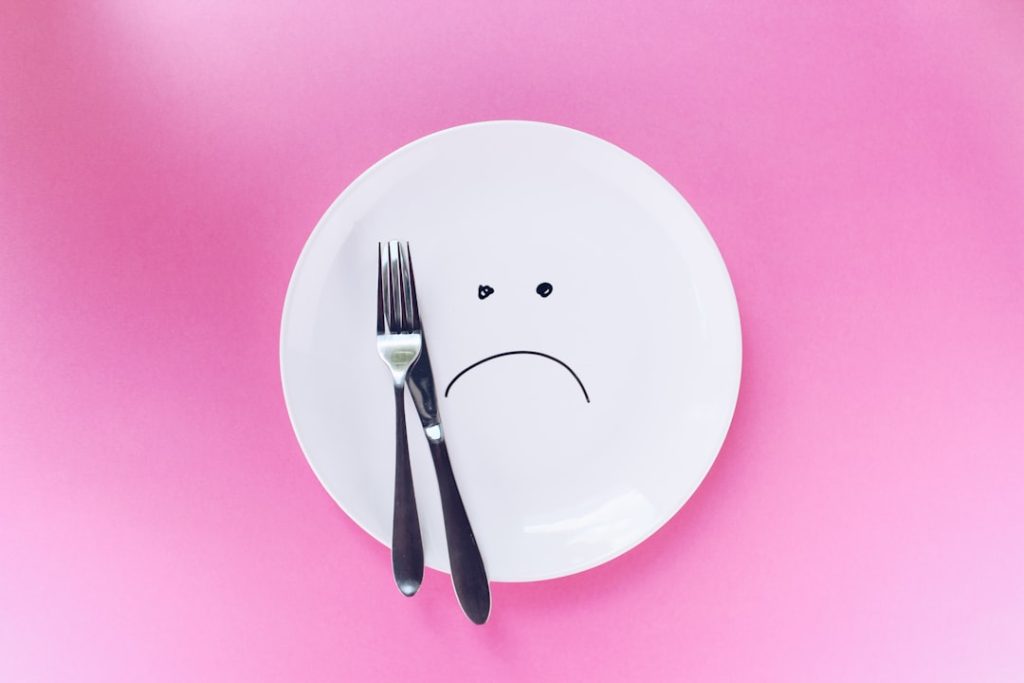
Picture it: your stomach is growling for 16 hours! It’s like a monster trying to break free. When it’s finally time to eat, you could be tempted to devour everything in sight. That could lead to overeating, which totally defeats the point of fasting. Not cool for those calorie goals!
Studies show that dealing with increased hunger can be really tough. It’s almost like wrestling with a gremlin that won’t let go. Keeping busy or sipping water can help a bit, but sometimes nothing seems to work.
Disruption of Social Activities
Another thing to consider with 16:8 fasting is what you eat. Some people just forget to eat healthy when the clock is ticking. Loading up on cookies and chips sounds great, but your body will definitely notice. Skimping on nutrients can lead to feeling drained and unhealthy.
Make those 8 hours count! Fill your plate with fruits, veggies, lean proteins, and whole grains. If you skip on proper nutrition, you might feel moody or tired. It’s easy to mess up your weight goals too. Sure, fasting is the plan, but if you’re not eating right, it can backfire.
Potential for Irregular Eating Patterns
Are you a night owl who loves munching while binge-watching Netflix? If yes, the 16:8 method might throw you off. Sticking to strict eating times can lead to unhealthy habits. You may start rushing your meals, which isn’t good for digestion.
When it’s finally time to eat, you might go overboard. The pressure of the countdown could push you to eat way more than you need. That makes it tough to listen to your hunger signals when you’re racing against the clock!
Limited Long-Term Sustainability
Sustainability is another worry with 16:8 fasting. A lot of people find it hard to keep up over time. When life gets busy (and it does), keeping a consistent fasting schedule can feel impossible! You might crave some flexibility, but strict rules can lead to frustration.
If fasting starts messing with your day-to-day life, it might be time to rethink your approach. Finding a plan that works for you is super important. There’s no one-size-fits-all when it comes to how we eat!
Wrap Up
While 16:8 fasting has its bright sides, think about these downsides. Dealing with hunger, social conflicts, and possible nutrient gaps can be real hurdles. Before diving in, assess your lifestyle and what you really need. We’re all different, and what works for one might not work for another. For more insights, check out this article.
If you’re curious about the bigger picture of intermittent fasting, see here.