
The Origins of Coffee: A Global Journey
Contents

Coffee is more than just a drink; it’s a part of our culture. From the lively cafes in Paris to the peaceful mornings in Ethiopia, coffee has a unique story. It all kicks off in Ethiopia, where a goat herder named Kaldi stumbled upon something incredible.
Picture Kaldi watching his goats bouncing around after munching on some red berries. Curious, he decided to try them too. Who knew those small fruits would spark a worldwide craze? So, let’s check out this exciting journey that turned coffee into our go-to beverage!
Roots in Ethiopia
Coffee’s journey starts in the lush coffee forests of Ethiopia. The coffee plant, known as Coffea, is native to this area. People believe that local tribes were enjoying coffee in some form as far back as the 9th century. Back then, it wasn’t brewed like it is now. Folks either chewed the berries or mixed them with animal fat to get a quick energy boost.
By the 15th century, coffee started gaining fame in the Arabian Peninsula, especially in Yemen. This was the beginning of coffee’s transformation from a local oddity to a global sensation. Drinking coffee became a cultural ritual, and the first coffeehouses, called qahveh khaneh, popped up.
These coffeehouses turned into social hangouts. People enjoyed music, poetry, and games together. Just imagine the rich scent of fresh coffee blending with the buzz of conversation! It’s where coffee really started to evolve into the beloved drink we adore today.
The Spread Across the World
The 16th century brought coffee to places like Persia, Turkey, and North Africa. Word spread like wildfire! Coffee wasn’t just a drink anymore; it was becoming a huge part of social life.
By the 17th century, coffee made its debut in Europe. Coffeehouses cropped up in cities like Venice, London, and Paris. These spots were more than just coffee joints; they became hangouts for thinkers and traders.
Picture brilliant minds sipping coffee and chatting about art, science, and philosophy! These places were like the internet of their time, sparking discussions, debates, and sharing ideas.
Cultural Adaptations
As coffee traveled the globe, each culture added its twist. In Italy, espresso became essential—a quick jolt of energy for busy lives. In Turkey, they add cardamom to the brew and serve it with water and sweets.
Over in Sweden, the concept of “fika,” or coffee break, was born. It’s about more than just enjoying coffee; it’s a time to take a break and connect with others. Can you picture how refreshing it must be to pause and savor a coffee break?
In the U.S., coffee transformed yet again. The rise of coffee chains introduced new flavors and trends like pumpkin spice lattes and cold brews. This shows how versatile coffee can be, adjusting to what people love.
The Role of Coffee in Society
Today, coffee plays a huge role in social traditions all over. In Ethiopia, for example, there’s a special coffee ceremony that shows hospitality. Here, coffee is brewed and served with care, reflecting respect for guests.
In many places, coffee is more than just a drink; it’s a key economic player. Millions of farmers grow coffee, relying on it for their income. The demand creates jobs and builds communities around the world.
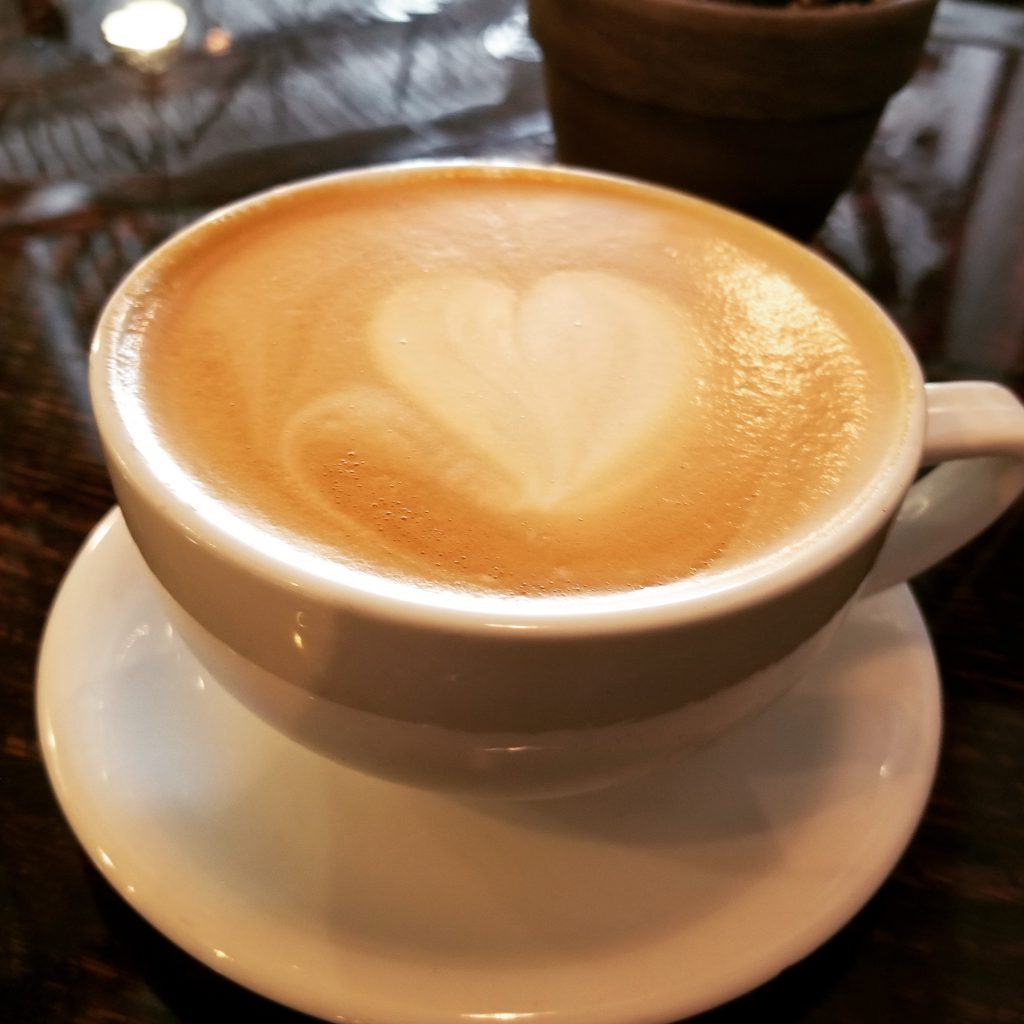
Coffee isn’t just a pick-me-up; it’s also art! Baristas craft stunning latte art, turning each cup into a work of art. From delicate hearts to cool designs, the way coffee is poured can be just as fun as drinking it.
Variations and Innovations
As coffee gains popularity, so do the ways we prepare and enjoy it. In Japan, you’ll find fascinating siphon coffee makers that show off skill and precision. Meanwhile, in Australia, flat whites have taken the coffee scene by storm with their creamy texture and rich flavor.
New ideas keep rolling in. From nitro coffee on tap to unique brews highlighting specific flavors, the coffee world is changing all the time. Honestly, there’s always something new to check out!
Each cup tells its own story, reflecting how coffee has become a part of diverse cultures. Whether you’re sipping alone or hanging out in a café, coffee connects us all in a special way.
Coffee’s Future
Looking forward, coffee faces challenges due to climate change and the need for sustainability. Farmers are changing their practices to make sure we can enjoy high-quality coffee for years to come. Sustainability is becoming more crucial than ever.
Things like shade-grown coffee and organic methods are helping protect our environment while serving up amazing brews. So, when you sip your coffee, remember you’re also supporting a movement for better practices.
The coffee community is passionate about keeping traditions alive and making sure practices are fair. With more people learning about fair trade and direct trade options, we’re seeing benefits for both producers and coffee lovers.
Join the Coffee Movement
So, how do you like your coffee? Black like Turkish coffee, or maybe creamy like a classic Italian cappuccino? No matter your choice, every cup has traveled a long way, bringing together different cultures. Want to dive deeper into coffee’s rich culture? Check out this article on Understanding the Meaning of Coffee Café.
In a world that can feel disconnected, coffee provides a moment to pause, connect with others, or indulge in some ‘me time.’ Next time you brew a pot or visit your favorite café, take a moment to appreciate this incredible global journey.
For more intriguing stories about coffee and its global impact, check out this insightful article.