

Understanding the Meaning of ‘Café’ in French
Contents
When you hear “café,” what pops into your head? Maybe it’s the rich scent of coffee, the clatter of cups, or friends laughing and chatting. In French, “café” is about more than just coffee. It’s a vibe, a culture, and a whole experience. So, let’s explore what makes cafés special, from their history to how the French enjoy their coffee, one sip at a time.
The Roots of ‘Café’
The word “café” comes from the French term for coffee, which traces back to the Arabic word “qahwa.” This shows how coffee has traveled through time and cultures. It arrived in Europe in the 17th century, finding a cozy spot in France. Here, coffee became more than just a drink; it turned into a reason for people to gather and connect.
The first cafés popped up in Paris during the 17th century. They quickly became hangouts for thinkers, writers, and artists. Picture the beautiful streets of Paris lined with cafés, where discussions about life and philosophy are as common as refills on coffee. French café culture is all about community, relaxation, and meaningful conversations. It’s a spot to chill, read a great book, or have chats that could spark big ideas.
The Café Experience
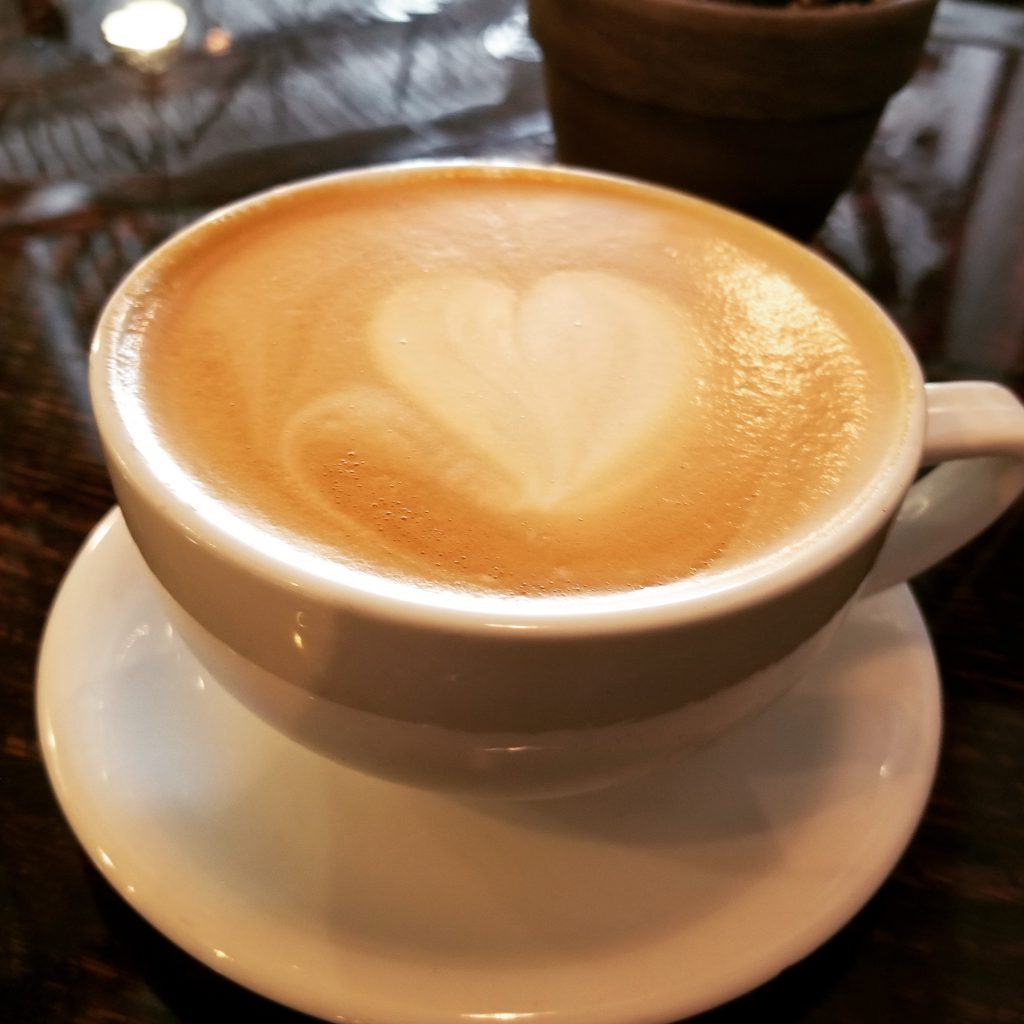
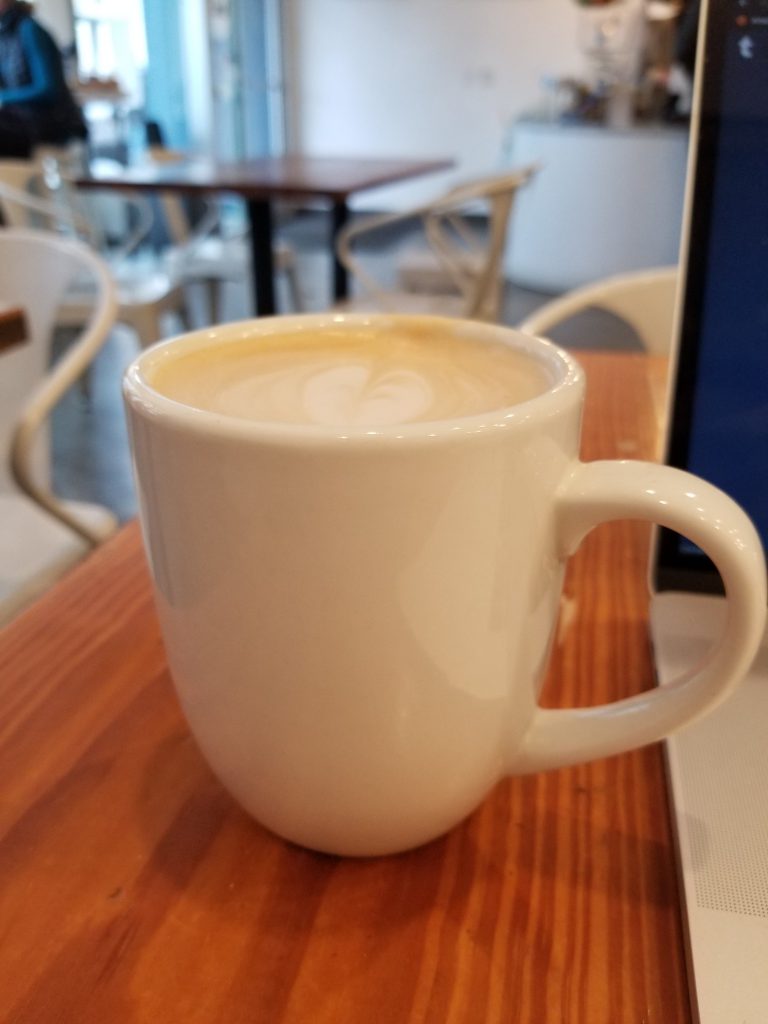
Walking into a French café feels like stepping into a different universe. You’ll see cozy seating, smell fresh pastries, and spot a cheerful barista ready to whip up your favorite drink. Ordering coffee here is an experience in itself. Most folks wouldn’t think of getting a grande latte to-go. Instead, they’d sit down to enjoy a café au lait—a simple, delicious blend of coffee and hot milk.
It’s all about savoring the moment. People often linger over their drinks, taking their time instead of rushing off. It’s a chance to soak in the atmosphere and connect with others—whether it’s deep talks or quick chats with someone nearby. This leisurely pace reflects a larger French value—the joy found in life’s simple pleasures.
Types of Coffee in French Cafés
Getting to know the different coffee types can totally boost your café experience. Here are some favorites you might come across:
- Café noir: A strong black coffee, usually served in tiny cups.
- Café au lait: Coffee with hot milk, great for those who like it creamy.
- Espresso: A small but powerful shot of coffee.
- Cappuccino: Espresso topped with steamed and frothed milk, often sprinkled with cocoa or cinnamon.
- Café crème: Similar to a cappuccino, but with more coffee than milk.
- Décaféiné: Decaf coffee for those who want to enjoy without the jitters.
The café scene also celebrates the art of brewing. How the coffee beans are ground makes a huge difference in flavor. For instance:
Coarse grounds extract flavors slowly, perfect for methods like French Press that take a bit longer.
Fine grounds extract quickly, great for espresso, but can get bitter if not brewed right.
Understanding Grind Sizes in Coffee Preparation
The grind size you choose matters when making coffee. Just like a chef finely chops ingredients for the perfect dish, the right grind is key to great coffee. Here’s a quick breakdown of grind sizes and brewing methods:
| Grind Size | Best For | Flavor Extraction |
|---|---|---|
| Coarse | French Press, Percolators | Slow extraction, rich flavors |
| Medium | Drip Coffee Machines | Balanced extraction for a smooth taste |
| Fine | Espresso, AeroPress | Quick extraction, intense flavors |
As you play around with brewing methods, keep in mind that each grind impacts your cup’s flavor. Choose wisely!
The Social Culture of Cafés in France
In France, cafés are more than just grab-and-go spots. They’re social hubs! People come here to connect, share stories, and enjoy life. Locals often know each other, creating a warm and welcoming vibe. In Paris, it’s perfectly normal to chat with a stranger while sipping your coffee, sharing little moments in a bustling city.
Cafés have also played a big role in French history. During the Age of Enlightenment, thinkers like Voltaire and Rousseau met in cafés to discuss bold ideas. Even now, cafés continue to be places for creativity and conversation, bringing together writers, artists, and dreamers. They’re spaces that spark creativity and embody the heart of French culture.
More Than Just Coffee: A Menu of Delights
While coffee takes center stage, many cafés also serve delicious food. Think buttery croissants, yummy pastries like éclairs and macarons. Pairing coffee with a tasty treat is a ritual locals cherish. It’s common to see someone enjoying a slice of cake or a pain au chocolat alongside their morning brew.
Cafés even change throughout the day, shifting from breakfast to lunch and dessert. Enjoying a light lunch at a café? That’s an adventure in itself, often accompanied by some prime people-watching. There’s something magical about sipping your coffee while watching life happen around you!
Conclusion: Embracing the Café Lifestyle
Getting what ‘café’ means in French invites you to appreciate not just coffee but a lifestyle rich in warmth, conversation, and culture. The next time you walk into a café, remember it’s more than just a coffee stop; it’s where life is celebrated. So, pull up a chair, take a sip, strike up a convo, and truly enjoy the moment. After all, in the grand café of life, every cup counts.
FAQs About Cafés and Coffee
- What does “café” mean in French?
- The term “café” refers to both coffee and the social spot where it’s served.
- What are the different types of coffee served in France?
- Favorites include café noir, café au lait, espresso, cappuccino, and café crème.
- Why is grind size important in coffee brewing?
- Different grind sizes affect flavor extraction and can change the taste of your coffee depending on the method.
- What food is commonly served in French cafés?
- Cafés typically offer pastries, croissants, and light lunch items that pair perfectly with coffee.
- How does café culture influence social interactions in France?
- Cafés are social hubs where locals come together to connect, share ideas, and enjoy laid-back moments.